
Home Blog

Cat Wall Ideas for Safer Climbing, Better Enrichment, and Small-Space Living

0
Cat Wall Ideas

Blank wall space can become useful territory for an indoor cat. A well-planned cat wall adds climbing, resting, and observation space without taking floor area. The strongest designs fit your cat’s body, mobility, habits, and the room’s structure.

A useful setup combines stable shelves, grippy landing surfaces, easy step-to-step spacing, and one generous resting perch. Mount every piece with hardware suited to the wall and the manufacturer’s load guidance. In multi-cat homes, build more than one exit so one cat cannot block another.

Planning pointPractical starting point
Main goalCreate safe vertical territory without using floor space
Best basic mixSteps, wider shelves, and one resting perch
SpacingStart around 12–18 inches vertically for healthy adults
SurfaceUse carpet, cork, sisal, or another grippy material
Multi-cat designProvide separate resting spots and more than one route
Rental optionConsider freestanding or tension-based systems if drilling is restricted

Why Vertical Space Matters Indoors

The Feline Veterinary Medical Association lists suitable indoor environments as a foundation of feline physical and emotional health. Its behavior guidance also describes vertical space and hiding options as important indoor resources. That makes wall-mounted furniture useful when floor space is limited.

Height can also change how cats share a room. One cat may prefer a high lookout, while another chooses a lower covered perch. Giving them choices can reduce crowding around one favored chair, window, or cat tree.

Which Type of Wall-Mounted Cat Furniture Fits Your Home?

Most setups combine several component types rather than using one piece repeatedly. The right mix depends on your wall, your cat’s mobility, and your available floor area. Compare the main options before buying a full set.

TypeBest forMain advantageMain drawback
Floating shelfHealthy adult catsSimple route buildingNeeds secure mounting and traction
Small step platformsKittens, seniors, compact layoutsCreates shorter transitionsToo small for long resting
Hammock or fabric perchCats that like soft resting spotsAdds comfortFabric can wear or sag
Box or cubbyShy cats and multi-cat homesAdds privacy and coverHeavier and harder to mount
BridgeLong wall runsConnects separate zonesNeeds strong anchor points
Tension or freestanding towerRentalsMay avoid wall drillingUses some floor or ceiling contact

For most homes, choose several steps, two wider shelves, and one comfortable resting perch. This mix supports movement without making the route complicated. Renters should favor freestanding or tension-based systems when the lease limits drilling.

How to Plan a Cat Wall Your Cat Will Use

Start by watching routes your cat already chooses. Notice favorite furniture heights, window ledges, and places where your cat hesitates before jumping. Those observations are more useful than copying a showroom photo.

  1. Choose an easy entry point. Start near a sofa, cat tree, bench, or low shelf your cat already uses.
  2. Create a clear upward route. Each next landing should be visible before your cat commits to the move.
  3. Plan the way down too. Cats need a comfortable descent instead of one large final drop.
  4. Use at least one wide resting perch. Your cat should be able to turn, settle, and change position safely.
  5. Add traction at every landing. Bare slick surfaces can make confident cats hesitate after one poor landing.
  6. Keep doors and busy walkways clear. Avoid routes where people can bump shelves or surprise a resting cat.
  7. Add another exit for shared spaces. Multiple routes help prevent one cat from controlling the whole system.

Current shelf guides often use 12–18 inches as a starting vertical gap for healthy adult cats. Kittens, seniors, and less mobile cats usually need shorter transitions. Treat those numbers as planning references, then adjust them to your cat’s normal jumping comfort.

A simple test can prevent expensive mistakes. Use painter’s tape to mark each platform on the wall before drilling. Then compare those heights with furniture your cat already reaches confidently every day.

Choose Surfaces and Resting Spots for Real Daily Use

Traction matters because climbing furniture is used during takeoff and landing, not only during rest. Carpet, cork, sisal, and textured pads can give paws a more secure surface. Choose materials that attach firmly and can be cleaned or replaced.

Ohio State’s Indoor Pet Initiative notes that cats have individual preferences for scratching materials and positions. FelineVMA guidance also lists carpet, wood, rope, and cardboard among commonly preferred substrates. Adding a scratchable section can make the climbing route more useful.

A resting shelf should be larger than a transition step. Your cat needs room to lie down without hanging over every edge. Larger breeds and cats that sprawl usually need deeper or wider resting platforms.

Mounting Safety Comes Before Style

Mounting Safety Comes Before Style

A shelf can feel solid while holding a resting cat and still fail during a jump. Movement places more demand on brackets, screws, and the wall connection. Follow the product’s mounting instructions and never guess about an unknown wall.

Many U.S. shelf systems are designed around wood-stud mounting, while masonry needs different fasteners. For drywall-only mounting, use only hardware approved for the specific product and expected load. If the wall condition is uncertain, ask a qualified installer before mounting heavy pieces.

Check the hardware again after the first few weeks of use. Look for movement, loose screws, cracked material, or a shelf pulling away from the wall. Repeat those checks periodically, especially after moving furniture or changing the route.

Plan Shared Routes for Multi-Cat Homes

Multi-cat layouts need more choices than single-cat layouts. FelineVMA guidance recommends separated resources and escape options so cats can avoid unwanted encounters. Apply that principle by creating alternate routes and more than one desirable resting spot.

Avoid a single narrow line that forces cats to pass face-to-face. A branching path lets one cat climb while another remains settled elsewhere. Two high perches can also reduce competition for one preferred lookout.

Watch how your cats use the finished setup before adding more pieces. Blocking, staring, chasing, or repeated avoidance can signal that the route feels socially tight. Moving one platform may help more than adding several decorative accessories.

Make the Setup Fit the Room

A climbing route should look intentional instead of covering every open section of wall. Match wood tones, shelf shapes, and visible hardware with nearby furniture. MagClone’s living room bookshelves guide offers ideas for coordinating vertical storage and room style.

Small rooms benefit most from using corners and the space above low furniture. Keep valuable art, lamps, and fragile objects away from likely jump paths. MagClone’s Home Improvement section can also help when the project is part of a wider room refresh.

New cat owners can browse MagClone’s Pets section for more everyday care topics. If you are still naming a new companion, the site’s white cat names guide offers another practical resource. These internal pages keep related pet and home information close together.

What to Buy First

Start with the load-bearing pieces before adding decorative accessories. A secure route with good footing is more valuable than a complicated set with weak transitions. Buy only what supports movement, resting, and safe entry or exit.

PriorityWhat to look for
Shelves or platformsClear load guidance and suitable dimensions
Mounting hardwareHardware matched to the wall and product instructions
Surface coveringNon-slip material that can be cleaned or replaced
Resting areaA larger platform for sleeping and observation
Optional additionsScratching material, bridge, hammock, or cubby

Skip extra tunnels, dangling toys, or high bridges until your cat uses the basic path confidently. Expanding slowly lets you learn which heights and surfaces your cat prefers. It also prevents spending money on pieces that do not fit the room.

Frequently Asked Questions

Is a cat wall worth it for an indoor cat?

It can be valuable when your cat already seeks windowsills, furniture tops, or other elevated places. Wall-mounted routes add usable territory without occupying much floor area. Their value depends on safe mounting, comfortable spacing, and whether your cat enjoys climbing.

How far apart should cat shelves be?

Many current guides suggest roughly 12–18 inches vertically for healthy adult cats. Smaller gaps often suit kittens, seniors, heavier cats, or animals with reduced mobility. Use your cat’s normal furniture jumps as the final guide rather than treating one measurement as universal.

How high should the top perch be?

A useful height gives your cat a good view while leaving enough headroom to sit and turn. It should also connect to a comfortable downward route. A high perch is not helpful if your cat hesitates every time it needs to descend.

Can senior cats use wall shelves?

Yes, many older cats can use them when the route requires short, stable transitions. Lower platforms, wider landings, ramps, and grippy surfaces can reduce difficult jumps. Ask your veterinarian about climbing plans if your cat shows stiffness, pain, or reduced mobility.

Can I install wall-mounted shelves in a rental?

That depends on your lease and the amount of drilling required. Freestanding or tension-based climbing systems may be better when permanent holes are restricted. Confirm the product’s ceiling, floor, and weight requirements before choosing a no-wall option.

How do I encourage my cat to use new shelves?

Begin with the lowest platform and let your cat investigate without being placed there. Treats, play, or a familiar blanket can make the route more inviting. If your cat avoids one jump repeatedly, shorten that transition instead of pushing the cat.

Build Around Your Cat, Not the Photo

An attractive layout still fails if the cat avoids it. Sketch the route, mark platform positions with painter’s tape, and compare them with your cat’s everyday movements. Then buy the minimum pieces needed for a safe first version.

Use the finished route for several weeks before expanding it. Watch where your cat rests, turns around, skips a platform, or chooses another path. Those real habits will tell you what the next shelf should do.


Great Dane Lifespan: How Long They Live and How to Support Healthy Years

0
Great Dane Lifespan

Owning a giant dog means planning for a shorter life than many smaller breeds. The Great Dane lifespan is usually 7 to 10 years, though individual lifespans vary. Understanding major health risks can help you plan preventive care and recognize emergencies earlier.

Key factWhat U.S. owners should know
Typical lifespanAbout 7–10 years
AKC estimateUsually 8–10 years
Exceptional longevitySome dogs reach 12 years
Senior stageThe final 25% of estimated life, according to AAHA
Major health concernsGDV/bloat, heart disease, cancer, thyroid disease, and orthopedic problems
Most useful owner actionsHealthy weight, veterinary care, emergency awareness, and responsible breeding

Most Danes live about seven to ten years, while the AKC commonly gives an eight-to-ten-year range. Some dogs die younger, while a smaller number reach 12 years. Genetics, giant body size, serious disease, body condition, and preventive veterinary care all affect an individual dog’s outcome.

Key takeaway: A lifespan estimate is a planning range, not an expiration date. Owners cannot control genetics or every illness, but they can manage weight and routine care. Knowing the signs of bloat and discussing breed-specific screening with a veterinarian can also improve health planning.

For more canine guides on Magclone, readers can browse the Pets section. The site also covers different dog breeds and sizes for owners comparing breeds.

How Long Is the Great Dane Lifespan?

How Long Is the Great Dane Lifespan?

Most veterinary and breed references place these dogs near the shortest end of canine longevity. PetMD gives an expected range of seven to ten years. The AKC commonly lists eight to ten years, while acknowledging some dogs reach 12. Great Dane Lifespan estimates can therefore vary depending on the source and population studied.

Those figures are population estimates, not promises for an individual pet. A healthy dog may live beyond the common range. Another may develop serious disease much earlier despite attentive care.

Recent research also shows why you shouldn’t treat one number as universal. Large datasets produce different lifespan estimates because populations and methods vary. Breed-club guidance remains useful for practical planning in the United States.

Why Do These Giant Dogs Have Shorter Lives?

Body size strongly relates to canine longevity. Giant breeds generally have shorter lives than smaller dogs. AKC guidance puts giant breeds at about eight to ten years on average.

Researchers still study the biological reasons behind that pattern. Rapid growth, cellular aging, cancer risk, and other size-related factors may contribute. No single mechanism explains every dog’s lifespan.

A Dane also reaches an enormous adult size quickly. That growth places unusual demands on bones, joints, and other body systems. Genetics and breed-specific diseases add another layer of risk.

Health Problems That Can Affect Longevity

Several conditions deserve extra attention because they occur more often in this breed. The parent club highlights bloat, heart disease, cancer, and autoimmune conditions among significant concerns. These risks do not mean every dog will develop them.

Health concernWhy it mattersWhat owners can discuss with a veterinarian
Gastric dilatation-volvulusA rapidly progressing, life-threatening emergencyWarning signs and preventive gastropexy
Dilated cardiomyopathyWeakens the heart’s pumping abilityCardiac examinations and breed-specific screening
CancerGiant breeds face meaningful cancer riskNew lumps, pain, appetite changes, or unexplained weight loss
Thyroid diseaseCan affect metabolism and general healthAppropriate blood testing when indicated
Orthopedic diseaseLarge body size places heavy loads on jointsWeight control, exercise, pain, and mobility

Gastric dilatation-volvulus, commonly called GDV or bloat, deserves special attention. ACVS describes it as a rapidly progressing emergency requiring immediate medical care. The breed is among those commonly affected.

Warning signs can include repeated unproductive retching, drooling, abdominal swelling, restlessness, weakness, or collapse. Do not watch a suspected episode at home for improvement. Emergency veterinary evaluation is the appropriate response.

Heart health also deserves discussion during routine visits. Dilated cardiomyopathy occurs particularly often in several large breeds, including Danes. It may progress before obvious symptoms become visible.

When Is a Dane Considered a Senior?

There is no universal birthday when every dog becomes senior. AAHA defines the senior stage as the final 25% of a dog’s estimated lifespan. Breed, size, health, and individual condition therefore matter.

For a giant breed with a relatively short expected life, aging discussions may begin earlier than owners expect. AKC material notes that larger dogs may be considered senior around five or six. Your veterinarian can interpret that framework for your individual pet.

Senior status does not mean a dog is automatically unhealthy. It means preventive care may need to change as risks increase. Mobility, body condition, dental health, heart health, and laboratory screening may receive closer attention.

How to Support More Healthy Years

No feeding plan, supplement, surgery, or routine can guarantee a longer life. Owners can still reduce avoidable risks and support quality of life. The most useful approach combines daily care with individualized veterinary guidance.

  1. Keep body condition lean and healthy. WSAVA uses body-condition scoring to assess fat stores, with 4–5 out of 9 as a common goal.
  2. Use appropriate nutrition throughout life. Ask your veterinarian about food suited to age, growth, weight, activity, and medical history.
  3. Schedule regular veterinary examinations. AAHA recommends veterinary visits every 6–12 months, with frequency adjusted to individual needs.
  4. Ask about GDV prevention. ACVS says prophylactic gastropexy may be recommended for large or giant dogs at increased risk.
  5. Know your breeder’s health-testing history. The breed club recommends hip, cardiac, thyroid, and eye testing for breeding dogs.
  6. Respond early to physical changes. New breathing problems, collapse, pain, swelling, reduced appetite, or mobility changes deserve veterinary attention.

Dietary extras also matter because extra calories can accumulate over time. Magclone’s guide to feeding bread to dogs safely explains why human foods should remain limited. Your veterinarian can set a calorie target based on body condition and activity.

Regular movement helps maintain muscle and mobility, but exercise should suit the dog’s health. Pain or exercise intolerance should trigger a veterinary discussion. Growing puppies also need activity choices appropriate for developing bodies.

Does Sex, Color, or Size Predict an Individual Dog’s Lifespan?

Owners often ask whether males or females consistently live longer. Available breed information does not provide a reliable rule for predicting one pet’s lifespan from sex alone. Health history, genetics, disease, and body condition offer more useful context.

Coat color should not be used as a simple longevity calculator either. Specific genetics can affect health, but appearance alone offers little certainty. Responsible breeding decisions depend on documented health information, not color assumptions.

Size matters more clearly at the population level. Giant dogs generally live fewer years than smaller breeds. Even so, an individual dog can fall above or below any published average.

Can Great Danes Reach 12 Years?

Yes, reaching 12 is possible, but it is outside the typical range. AKC notes that a fortunate minority reach about 12 years. Owners should treat that age as an exceptional outcome rather than the expected target.

Record-setting age claims can be difficult to verify. Different websites sometimes repeat extraordinary ages without reliable documentation. A practical care plan should use established breed ranges rather than anecdotal records.

Longevity is also only one part of the picture: comfort, mobility, appetite, social engagement, and freedom from uncontrolled pain matter throughout senior life. Veterinary care should focus on both length and quality of life.

Choosing a Puppy With Health in Mind

Responsible breeding cannot eliminate every future illness. It can provide useful information about known inherited and breed-associated risks. The Great Dane Club of America emphasizes health testing when breeding these dogs.

The OFA CHIC program records breed-specific screening information in a public database. A CHIC number means required tests were completed and made public. It does not mean every test result was normal.

Prospective owners can ask for actual health-test results before choosing a breeder. They can also ask about longevity among parents and close relatives. Magclone’s guide to different types of pet dogs provides added context for breed selection.

The Bottom Line for Owners

The shorter expected life is one of the realities of sharing your home with this giant breed. Good care cannot control every risk, but it can protect comfort and catch problems sooner. Build a preventive plan with a veterinarian who knows your dog’s history.

Learn the emergency signs of GDV before you ever need that information. Keep weight and body condition under regular review throughout adulthood. Owners can find more everyday canine resources in Magclone’s Pets hub.

For routine coat-care reading, Magclone also explains common dog grooming tools and how they differ. Nutrition, grooming, exercise, and medical care all form part of responsible ownership. Your veterinarian remains the best source for recommendations tailored to an individual animal.

Frequently Asked Questions

Can a Great Dane live 12 years?

Yes, some individuals reach 12 years. That age sits beyond the common seven-to-ten-year range. Genetics, health history, disease, and care all contribute to individual variation.

Is seven years old for a Dane?

Seven can represent a later life stage for this giant breed. AAHA bases senior status on the final quarter of the expected lifespan rather than a single universal age. A veterinarian can assess senior needs more accurately than a birthday alone.

How can I improve the Great Dane lifespan?

Focus on healthy body condition, preventive veterinary care, safe nutrition, and early attention to concerning symptoms. Discuss GDV prevention and breed-specific health risks with your veterinarian. These actions support health, but none can guarantee a particular lifespan.

Why do giant breeds usually live fewer years?

Large body size is strongly associated with shorter canine lifespan. Researchers continue examining the biological reasons behind this relationship. Faster growth and differences in age-related disease appear to contribute.

How often should an older Dane see a veterinarian?

Visit frequency should match your dog’s health and veterinary recommendations. AAHA describes six-to-twelve-month veterinary visits as important across canine life stages. Senior animals or dogs with chronic disease may need more frequent monitoring.

Vacate Meaning Explained: How the Word Works in Court, Housing, and Everyday English

0
Vacate

If you have seen the word “vacate” in a lease, court decision, eviction notice, job announcement, or news report, its meaning may not be immediately obvious. The basic idea is simple: something that was occupied, held, or legally in effect is being left, given up, or set aside. However, the exact meaning changes depending on whether the word refers to a physical place, a position, a court judgment, or another legal matter.

Short answer: Vacate means to leave a place, give up a position, or, in law, cancel or set aside a court order or judgment. In property matters, to vacate premises means to move out and surrender occupancy. The exact legal effect depends on the court order, case type, and applicable state or federal law.

In American English, the word is commonly pronounced “VAY-kayt.” Dictionaries describe it as leaving a room, building, apartment, or other place so it becomes available to someone else, while U.S. legal sources also use it for setting aside judgments and orders. The context surrounding the word is therefore essential.

ContextWhat “vacate” usually meansSimple example
Home or apartmentLeave and surrender occupancy.The tenant must vacate the apartment.
Court orderSet aside or annul the order.The judge vacated the earlier order.
JudgmentRemove the judgment’s legal effect as specified by the court.The default judgment was vacated.
Criminal sentenceSet aside a sentence through an authorized legal process.The defendant asked the court to vacate the sentence.
Job or officeGive up a position.The director vacated the position.
Seat or roomLeave it empty for someone else.Passengers were asked to vacate the area.

What Does Vacate Mean in Simple Words?

In everyday language, “vacate” usually means to leave, empty, or give up a place or position. Someone can vacate an apartment, hotel room, office, seat, job, or public position. The word tends to sound more formal than simply saying “leave,” which is why it frequently appears in contracts, official notices, court documents, and news reports.

For example, a hotel may ask guests to vacate their rooms by a certain checkout time. A company executive may vacate a position after resigning, while residents may be ordered to vacate a building because of an emergency. In each example, the central idea is that the person stops occupying or holding something and makes it vacant.

The legal meaning adds another important use. Cornell Law School’s Legal Information Institute explains that in civil and criminal proceedings, the term can mean setting aside or annulling an earlier judgment or order. That meaning is very different from physically leaving a location, even though the same word is used.

In U.S. legal language, “vacate” commonly means that a court sets aside an existing judgment, order, or decision. A U.S. District Court glossary similarly describes an order as vacated when a court sets aside an order it previously made so that the order no longer has effect. The consequences after that step depend on what the court vacated and what instructions accompanied its ruling.

This does not always mean that the entire lawsuit disappears. A court can set aside one judgment while allowing the underlying dispute to continue, and an appellate court can send a matter back to the lower court for additional proceedings. Federal appellate courts have statutory authority to affirm, modify, vacate, set aside, or reverse decisions and may also remand a matter for further proceedings.

That distinction matters when reading headlines saying that a judge “vacated” an order. The headline tells you that an earlier ruling has been set aside, but it does not by itself tell you who ultimately won the dispute or whether the case is finished. Readers should examine the complete ruling to see what happens next.

What Does It Mean to Vacate a Judgment?

To vacate a judgment generally means to set aside a judgment that had previously been entered by a court. Depending on the case, the parties may then return to an earlier procedural position, continue litigating, receive a new hearing, or follow other directions contained in the court’s order. The phrase is especially common when a party asks for relief from a default judgment or another final decision.

In federal civil cases, Rule 60 of the Federal Rules of Civil Procedure identifies grounds on which a party may seek relief from a final judgment, order, or proceeding. Those grounds include certain mistakes or excusable neglect, newly discovered evidence, fraud or misconduct, a void judgment, and several other specifically recognized circumstances. State courts have their own statutes and procedural rules, so federal Rule 60 should not be treated as the rule for every court in the country.

Filing a motion is also different from winning one. Federal Rule 60 expressly provides that the motion itself does not automatically suspend the operation or finality of the judgment. Anyone dealing with an actual judgment should therefore check the applicable court rules, filing deadlines, and any instructions contained in the judgment rather than assuming that a request to set it aside has already changed its effect.

What Is a Motion to Vacate?

What Is a Motion to Vacate?

A motion to vacate is a formal request asking a court to set aside an existing judgment, order, sentence, or other qualifying decision. What the person must prove depends on the type of case, the jurisdiction, the procedural rule being used, and the reason relief is requested. A motion that may be appropriate in one state or federal proceeding may be unavailable or subject to different deadlines in another.

Consider a civil default judgment as an example. A defendant might argue that relief is justified because of circumstances recognized by the applicable procedural rules, but the court still decides whether the legal requirements have been satisfied. The fact that someone files a motion does not guarantee that the earlier judgment will be set aside.

This is one reason legal documents should be read carefully rather than relying only on the word itself. “Motion to vacate filed,” “motion to vacate granted,” and “judgment vacated” describe three different procedural stages. The first describes a request, the second describes a court granting that request, and the third describes the resulting status of the judgment.

What Does Vacate Mean in a Criminal Case?

The word also appears in criminal cases when a person seeks to set aside a conviction, judgment, or sentence under an available legal procedure. Federal law, for example, allows certain people in federal custody to move under 28 U.S.C. § 2255 to vacate, set aside, or correct a sentence on specified grounds. If relief is warranted, the statute provides several possible outcomes, including discharge, resentencing, a new trial, or correction of the sentence.

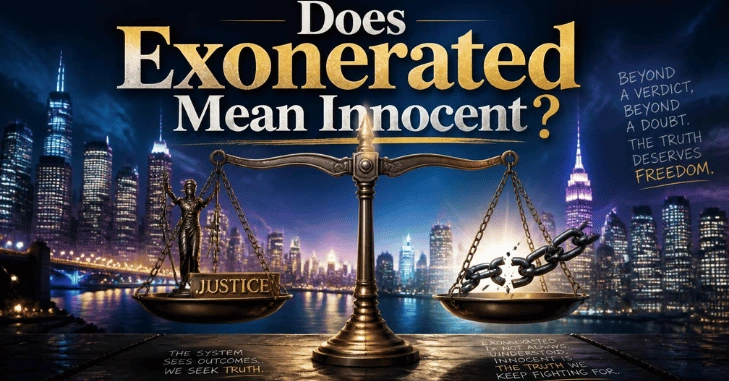
That means “vacated” should not automatically be translated as “the person was proven innocent.” A conviction may be set aside for different legal reasons, and additional proceedings can sometimes follow. MagClone’s guide to “exonerated, explains why “exoneration,” “acquittal,” “dismissal,” and other outcomes should not be treated as interchangeable terms.

The same caution applies to criminal records. Some jurisdictions have procedures called vacating a conviction, but their consequences are defined by the law of that jurisdiction and may differ from sealing or expungement. For example, Washington legal-aid guidance notes that vacating an eligible conviction can cancel the judgment while not necessarily making the court record private.

Vacate vs. Reverse: What Is the Difference?

Vacate and reverse sometimes appear together in appellate decisions, but they are not perfect synonyms. A reversal generally indicates that a higher court determined that a lower court’s decision was incorrect, while vacatur refers to setting aside the judgment or order. Cornell’s Legal Information Institute notes that a reversal can result in instructions to the lower court to vacate its original judgment.

A court may also remand a case, meaning it sends the matter back to a lower court or tribunal for additional proceedings. An appellate decision can therefore contain several instructions at once, such as vacating a judgment and remanding the case for reconsideration. Reading only one word from the disposition may leave out an important part of what the appellate court actually ordered.

Legal termGeneral meaning
VacateSet aside an existing judgment or order.
ReverseDetermine that a lower court decision was incorrect.
RemandSend a matter back for further proceedings.
DismissEnd a case, charge, claim, or particular proceeding
Set asideIn many court contexts, another way of describing invalidating or vacating a decision
ExonerateClear someone of blame or responsibility; the precise legal use depends on context.

What Does It Mean to Vacate a Property?

In housing and property law, “vacate” generally means to leave a property and give up occupancy or possession. Cornell’s legal definition specifically recognizes this second meaning, describing the term as surrendering or leaving premises. A tenant may vacate voluntarily when a lease ends, or the requirement to leave may arise from a notice, agreement, or court process.

Actually moving out often involves more than temporarily being away from the property. In ordinary rental practice, it can include removing belongings, returning keys or access devices, addressing final utilities, and surrendering possession according to the lease and applicable law. HUD materials for certain federally assisted housing programs similarly describe move-out procedures involving a stated move-out date and the return of keys or other devices.

Temporary absence should therefore not automatically be confused with legally surrendering a rental property. A tenant who spends a week traveling has not necessarily vacated an apartment in the legal sense. Lease language, the tenant’s actions, and state or local law can all affect whether possession has actually been surrendered.

What Is a Notice to Vacate?

A notice to vacate is generally a notice telling an occupant that they must leave a property by a stated date, although terminology and legal requirements vary across U.S. jurisdictions. Similar documents may be called a notice to quit, termination notice, or another state-specific name. Cornell notes that state statutes govern when landlord notices may be issued, how they must be delivered, and how much time a tenant must receive.

A notice should not automatically be treated as the same thing as a completed eviction. In many landlord-tenant systems, notice is an earlier step that can precede a court proceeding if the tenant does not move or otherwise resolve the issue. The exact sequence, notice period, defenses, and procedures depend heavily on state and local law.

Tenants should therefore avoid assuming that a notice from one state works the same way in another. Some situations involve unpaid rent, lease violations, expiration of tenancy, owner occupancy, or other legally recognized reasons, and each can carry different requirements. Anyone facing an active housing dispute should review the notice promptly and obtain information specific to the state and city where the property is located.

Notice to Vacate vs. Eviction

The easiest way to understand the difference is to think of notice as communication and eviction as a legal process used to recover possession. A landlord may serve a qualifying notice before filing an eviction case, depending on the jurisdiction and reason for termination. Cornell’s landlord-tenant guidance emphasizes that state statutes determine the applicable notice requirements.

An eviction also should not be assumed to happen the moment a notice arrives. Court procedures, deadlines, tenant responses, and enforcement rules may still apply before possession can legally be recovered. Certain federally assisted tenancies contain additional requirements; for example, Housing Choice Voucher regulations provide for eviction through court action and require specified notices.

Because housing law is highly state-specific, generalized online timelines can be misleading. A notice period quoted for California, New York, Texas, or another state may not apply elsewhere or may apply only to a particular reason for terminating tenancy. Checking the law governing the property is more reliable than assuming there is one nationwide number of days.

Common Examples of “Vacate” in a Sentence

Seeing the word in context makes its different meanings easier to recognize. Notice how each sentence involves giving up a place or position or setting aside something that previously had legal effect. The surrounding nouns, such as apartment, office, judgment, or order, usually reveal which definition applies.

  • The tenants agreed to vacate the apartment at the end of the lease.
  • The judge vacated the previous order and scheduled another hearing.
  • The appeals court vacated the judgment and remanded the case.
  • Residents were told to leave the building because of a gas leak.
  • The board member will vacate her position at the end of the month.
  • The defendant filed a motion asking the court to set the judgment aside.
  • Guests must vacate their rooms before the hotel’s checkout deadline.

The word “vacated” is simply the past tense and past participle form. Vacating describes the action while it is occurring or functions as a gerund, such as “vacating the apartment.” These grammatical forms do not change the basic meaning, although their legal significance still depends on the sentence and underlying proceeding.

Vacate vs. Leave: Are They the Same?

In ordinary conversation, leave can often replace vacate, but the two words do not always carry the same tone. “Leave” is broad and informal, while “vacate” more strongly suggests making a place or position empty or giving up occupancy. This formality explains why leases, official instructions, court decisions, and legal notices frequently use the latter term.

There is an even bigger difference in court language. A judge who vacates an order is not physically leaving it; the court is setting that order aside. In that situation, replacing the legal term with the everyday verb “leave” would completely change the meaning.

Vacate vs. Vacant

“Vacate” is normally a verb describing an action, while “vacant” is an adjective describing the resulting condition. A tenant may vacate an apartment, after which the apartment may become vacant. Similarly, an employee may vacate a position, leaving the position vacant until someone else fills it.

Keeping the two forms separate makes legal and business writing clearer. “The tenant vacated the unit” tells readers what the tenant did, while “the unit is vacant” describes its present condition. The words are closely related but perform different grammatical jobs.

How to Understand “Vacated” in a Court or News Headline

When a headline says that a court vacated something, first identify exactly what was set aside. It might be a judgment, sentence, injunction, administrative decision, or only one portion of a larger order. Then check whether the court dismissed the matter, remanded it for further proceedings, ordered a new hearing, or provided some other remedy.

Readers should also distinguish the result from related criminal-law terminology. A vacated conviction, dismissed charge, acquittal, pardon, and exoneration can have different meanings and consequences. MagClone’s legal explainers, including its exoneration meaning guide, provide useful background for interpreting these distinctions.

In an actual criminal case, procedural terminology can carry real consequences. General articles can help someone understand the vocabulary, but they cannot determine which procedure or deadline applies to an individual matter, and a licensed attorney in the relevant jurisdiction can. MagClone’s companion explainer on what perjury means in court shows how narrowly these terms are defined in practice.

A Simple Rule for Remembering the Meaning

A useful shortcut is to associate vacate with the idea of making something vacant or removing its existing effect. If the object is a room, property, seat, or position, the word usually means leaving or giving it up. If the object is a judgment, order, or sentence, the word usually means that a court is being asked to set it aside or has already done so.

Context is still more important than the shortcut. Legal documents may use the same term in procedures governed by very different federal, state, or local rules. When the word affects a deadline, housing right, conviction, financial obligation, or court case, read the complete document rather than relying on a dictionary definition alone.

Frequently Asked Questions

What does “vacate” mean in simple terms?

It generally means to leave, empty, or give up a place or position. In legal proceedings, it can instead mean setting aside an existing court judgment or order.

What does “vacate the premises” mean?

It generally means to leave the property and surrender occupancy or possession. The exact requirements can depend on the lease, notice, court order, and applicable state or local law.

Does “vacated” mean “dismissed”?

Not necessarily. Vacating normally means setting aside an existing decision or order, whereas dismissal generally ends a case, claim, charge, or proceeding.

What happens when a judgment is vacated?

The judgment is set aside according to the court’s order, but what happens afterward varies. The case might continue, return to a lower court, involve another hearing, result in a new trial, or proceed in another way specified by the court.

Is a notice to vacate the same as an eviction?

Not automatically. A notice may tell a tenant to leave or may serve as a required step before an eviction proceeding, while an eviction generally involves the legal process for recovering possession of the property.

Does vacating a conviction mean a person was exonerated?

Not necessarily. A conviction can be vacated for different legal reasons, while exoneration generally communicates that a person has been cleared of blame or responsibility under the standards being used.

Can you vacate a job position?

Yes. In formal English, someone can vacate an office, post, seat, or position by leaving or relinquishing it.

What is another word for vacate?

Possible synonyms depend on context and include “leave,” “quit,” “surrender,” “relinquish,” “empty,” “annul,” and “set aside.” “Set aside” is particularly common when discussing court judgments and orders.

The Bottom Line

Vacate has one central idea but several important uses. In everyday English, it usually means leaving or giving up a place or position, while in U.S. legal language it can mean setting aside a judgment, order, conviction, or sentence. In landlord-tenant matters, it commonly refers to leaving and surrendering possession of property.

The surrounding context tells you which definition applies. “Vacate the apartment” concerns occupancy, while “vacate the judgment” concerns the legal effect of a court decision. Treating those meanings as interchangeable can lead to serious misunderstandings, especially when deadlines or legal rights are involved. If the term appears in an actual court document or housing notice, check the complete document and the rules of the relevant jurisdiction. For more plain-English explanations of legal terminology and U.S. legal issues, readers can explore MagClone’s Law section.

Unconstitutional Laws: Complete Guide to Meaning, Rules, and U.S. Court Decisions

0
Unconstitutional

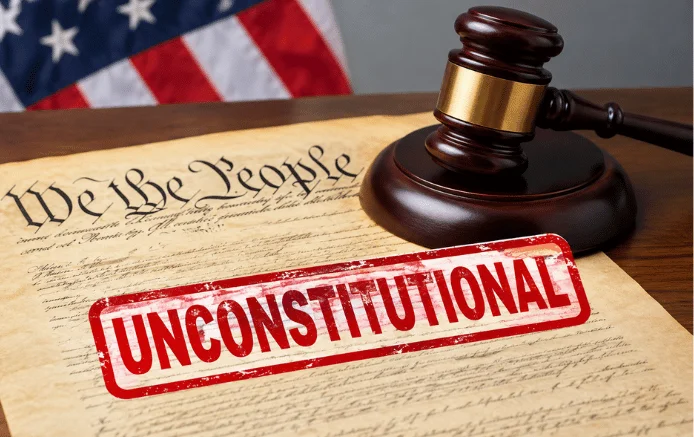
If something is unconstitutional, it conflicts with the U.S. Constitution as interpreted and applied by the courts. The term can describe a statute, executive action, regulation, local rule, or other government conduct. A political disagreement alone does not establish a constitutional violation. A court normally resolves that legal question in a real case.

The Constitution is the nation’s highest legal authority. Article VI identifies it, valid federal laws, and treaties as the “supreme Law of the Land.” Courts use constitutional text, precedent, and the facts of a dispute when deciding whether government action crosses a constitutional limit.

Key questionPlain-English answer
What does the term mean?A government law or action conflicts with the Constitution.
Who decides in a legal dispute?Federal or state courts with jurisdiction over the case
Can Congress violate the Constitution?Yes.
Can presidents or agencies violate it?Yes, government action can face constitutional review.
Can state and local laws violate it?Yes.
Does every illegal act violate the Constitution?No; ordinary illegality and constitutional invalidity are different questions.
What can happen after a ruling?Enforcement may be blocked, limited, or invalidated depending on the case.

For more plain-English coverage of legal concepts, readers can also browse Magclone’s Law section.

What Does Unconstitutional Mean in U.S. Law?

The basic idea is simple: government must operate within constitutional boundaries. Those boundaries include limits on government power and protections for individual rights.

The Supreme Court’s authority to review government action developed through judicial review. The Constitution does not expressly state that federal courts may strike down legislation. The Supreme Court established that principle in Marbury v. Madison in 1803.

That case involved a dispute over William Marbury’s judicial commission. The Court concluded that part of the Judiciary Act of 1789 conflicted with Article III. The decision became a foundation of American constitutional review.

Judicial review does not mean judges can reject laws because they dislike the policy. Courts need a legal conflict between government action and a constitutional rule, right, or limitation.

Common Reasons Courts Find Government Action Invalid

Constitutional disputes arise in many areas, but several patterns appear often.

A law infringes a protected right.

The Bill of Rights protects freedoms and interests such as speech, religion, due process, and protection against unreasonable searches.

The Fourth Amendment, for example, governs many government searches and seizures. The exact constitutional standard changes with the setting and facts. Magclone’s guide to strip-search laws and Fourth Amendment rights shows why a legal result can turn on where a search occurred and how officials conducted it.

Government exceeds its assigned power.

The Constitution divides authority among Congress, the president, the federal courts, and the states. A constitutional problem can arise when one branch acts outside its lawful power.

This is why constitutional cases are not limited to individual rights. They can also concern federalism, separation of powers, or the limits placed on a particular branch.

A law violates equal protection.

The Fourteenth Amendment prevents states from denying people equal protection of the laws.

A well-known example is Loving v. Virginia. In 1967, the Supreme Court invalidated Virginia laws that prohibited interracial marriage. The decision rested on the Fourteenth Amendment’s Equal Protection and Due Process Clauses.

A criminal law is too vague.

People need fair notice of conduct that can expose them to punishment.

The Supreme Court has invalidated federal and state criminal statutes for vagueness when they lack enough clarity. An unclear law can also create a risk of arbitrary enforcement.

A rule sweeps too broadly.

First Amendment cases can involve the overbreadth doctrine. A law may cover legitimate government concerns while also restricting a substantial amount of protected expression.

Courts sometimes allow facial challenges in this area because overly broad rules can discourage protected speech before anyone tests the boundary.

How Courts Decide Whether the Constitution Has Been Violated

Unconstitutional

There is no single test for every constitutional claim. The legal standard depends on the right, classification, government action, and constitutional provision involved.

For some equal-protection disputes, courts use different levels of scrutiny.

Rational basis review is generally the least demanding standard. A law ordinarily needs a rational relationship to a legitimate government interest. Cornell’s Legal Information Institute explanation of rational basis review notes that courts commonly use it when no fundamental right or suspect classification is involved.

Intermediate scrutiny applies in certain categories and requires a stronger government justification.

Strict scrutiny is the most demanding of the three commonly discussed standards. It can apply when government action burdens certain fundamental rights or uses suspect classifications. The government must satisfy a much higher constitutional standard.

This explains why two constitutional cases can produce different results even when both involve government restrictions. The applicable test matters.

Unconstitutional vs. Illegal: They Are Not the Same Question

“Illegal” is a broad term. It generally means conduct conflicts with applicable law.

A constitutional violation is more specific. It concerns conflict with the Constitution itself. Something can violate a statute, regulation, court order, or local rule without presenting a constitutional issue.

The distinction also matters when discussing crimes. A court finding that government conduct violates the Constitution does not automatically mean a public official committed a criminal offense. Criminal liability requires its own legal basis and elements.

Clear legal vocabulary matters in other contexts too. Magclone’s perjury meaning guide explains why a false statement alone does not establish the federal offense. Its exonerated meaning explainer likewise distinguishes exoneration from acquittal, dismissal, and pardon.

Facial Challenges and As-Applied Challenges

A person challenging government action does not always ask a court to eliminate an entire law.

An as-applied challenge argues that a rule violates the Constitution in the particular circumstances before the court. The law may remain valid in other situations.

A facial challenge attacks the law itself across a wider range of applications. The requirements for facial challenges depend on the constitutional doctrine involved. First Amendment overbreadth cases have their own rules.

This distinction helps explain headlines that sound contradictory. One court may block a law in a specific setting without deciding that every possible application fails.

What Happens After a Court Finds a Constitutional Violation?

The result depends on the case, the court, the challenged provision, and the remedy requested.

A court may order any of the following.

  • stop enforcement through an injunction;
  • invalidate a particular provision;
  • prevent the government from applying a rule to certain facts;
  • leave other parts of a statute in effect;
  • reverse a judgment affected by the constitutional error; or
  • send the case back to a lower court for further proceedings.

A Supreme Court ruling can create binding constitutional precedent for lower courts. Lower-court rulings may have a narrower geographic or procedural reach.

The Constitution Annotated table of laws held unconstitutional is a long historical record of federal, state, and local laws that the Supreme Court has held invalid in whole or in part. The examples span subjects ranging from government structure to civil rights and criminal procedure.

A Four-Question Check for Constitutional Claims in the News

Political speakers often use constitutional language before a court has ruled. Readers can assess those claims more carefully by asking four questions.

  1. What government action is being challenged? Identify the law, order, regulation, search, restriction, or official decision.
  2. What constitutional provision is involved? Look for the specific amendment, article, clause, or structural principle.
  3. Has a court ruled on this exact action? A lawsuit, legal argument, or expert prediction is not the same as a final judgment.
  4. What remedy did the court order? Check whether the decision blocked one application, one section, or the entire measure.

This approach separates a legal ruling from political shorthand. It also gives you a better way to read headlines about executive orders, civil rights, criminal procedure, elections, or government regulation.

Frequently Asked Questions

What makes a law unconstitutional?

A law can fail constitutional review if it violates a protected right, exceeds government power, denies required due process or equal protection, or conflicts with another constitutional limitation. The precise test depends on the claim.

Who can declare a law invalid under the Constitution?

Courts decide constitutional questions when those issues arise in cases within their jurisdiction. Marbury v. Madison established judicial review as a central feature of U.S. constitutional law.

Can an executive order violate the Constitution?

Yes. Presidential and other executive actions remain subject to constitutional limits. Whether a particular order violates those limits depends on its text, legal authority, effects, and the constitutional provision involved.

Is it unconstitutional the same as criminal?

No. Constitutional invalidity and criminal liability are separate legal questions. A government act can violate constitutional rules without automatically establishing that an official committed a crime.

Does a Supreme Court decision erase every part of a challenged law?

Not necessarily. Courts may invalidate one provision, block a specific application, or leave severable portions in force. The opinion and remedy determine the practical effect.

The Key Point

Calling government action constitutionally invalid is a legal claim, not merely a statement that the policy seems unfair or unpopular. The strongest analysis identifies the government action, the relevant constitutional provision, the judicial test, and the court’s remedy. When a real dispute may affect your rights, read the governing decision and applicable state or federal law. For personal legal advice, consult an attorney licensed in the relevant jurisdiction.

Benefits of Marriage for U.S. Couples: Legal, Financial, Tax, Health, Estate, and Everyday Advantages Explained

0
Benefits of Marriage

Marriage changes more than a couple’s relationship status in the United States. The benefits of marriage can include federal protections, financial options, workplace rights, and access to spousal programs. Some advantages are automatic, while others depend on income, age, employer rules, or state law.

Direct answer: Getting married in the United States can change taxes, Social Security eligibility, health coverage, inheritance rights, and family-leave protections. It can also simplify shared financial planning and certain emergency decisions. The value varies by income, state law, benefit history, and relationship quality, so no advantage is automatic.

Key Advantages at a Glance

AreaWhat U.S. Couples Should Know
Federal taxesCouples can choose joint or separate federal filing. The 2026 joint standard deduction is $32,200.
Social SecurityEligible spouses may qualify for spousal or survivor payments based on a partner’s work record.
Health coverageA wedding can create a Marketplace Special Enrollment Period.
Family leaveEligible employees may use FMLA leave to care for a spouse with a serious health condition.
GiftsTransfers to a U.S. citizen spouse generally qualify for an unlimited federal gift-tax deduction.
InheritanceState intestacy rules commonly give surviving spouses priority when someone dies without a will.
Health decisionsMany state laws place spouses high in the default surrogate hierarchy.
ImmigrationA U.S. citizen can petition for a qualifying spouse as an immediate relative.

The IRS inflation adjustments for tax year 2026 set the standard deduction at $32,200 for joint filers and $16,100 for separate filers. The agency also recommends comparing filing methods when both spouses have income. A joint return can reduce taxes for some households, but savings are not guaranteed.

TL;DR: Key Takeaways

  • Joint federal filing can save money for some households, particularly when earnings differ substantially.
  • Social Security may provide eligible spouses with retirement-based and survivor payments.
  • Getting married can open a Marketplace Special Enrollment Period for health coverage.
  • Eligible employees may receive federal job protection while caring for a seriously ill spouse.
  • Federal transfer-tax rules can make transferring assets between U.S. citizen spouses easier.
  • Legal status alone does not guarantee better health or happiness; relationship quality still matters.

Benefits of Marriage: 12 Practical Advantages for U.S. Couples

Benefits of Marriage: 12 Practical Advantages for U.S. Couples

1. More federal tax filing options

Married couples can generally choose between filing jointly and filing separately for federal taxes. Joint filing can produce a lower combined bill for some households. The result depends on earnings, deductions, credits, and other tax circumstances.

The potential advantage often matters most when partners earn noticeably different amounts. Separate filing can still make sense in certain situations. Comparing both methods before filing is safer than assuming one status always wins.

2. Access to Social Security spousal benefits

Social Security may pay a spouse based on the other partner’s work record. An eligible spousal payment can reach half the worker’s primary insurance amount. Claiming before full retirement age can reduce that amount.

Generally, a couple must have been married for at least one year for spousal benefits. Several exceptions apply, including certain situations involving a shared child. Eligibility also depends on age and other Social Security rules.

3. Survivor benefits after a spouse dies

Social Security can also provide income protection after one spouse dies. The Social Security Administration puts survivor payments at 71.5% to 100% of the deceased worker’s benefit. The percentage generally increases when the surviving spouse waits longer to claim.

Eligibility depends on age, disability, caregiving circumstances, and other program rules. Survivor benefits can therefore become an important part of retirement planning. Couples should review both partners’ Social Security records before retirement.

4. Easier health insurance enrollment after the wedding

Getting married is a qualifying household change under the federal Health Insurance Marketplace. People married within the previous 60 days may qualify for a Special Enrollment Period. Coverage can begin the following month when the required timing rules are met.

Employer plans may also let workers add a new spouse after the wedding. Deadlines, premiums, deductibles, and dependent costs vary by employer. Couples should compare both available plans before choosing coverage.

5. Federal leave protection for spousal caregiving

Eligible workers can use the Family and Medical Leave Act to care for a seriously ill spouse. FMLA generally provides up to 12 workweeks of unpaid, job-protected leave during a qualifying 12-month period. Group health benefits continue under applicable FMLA requirements.

The law does not cover every employee or workplace. Eligibility depends on employment length, hours worked, employer coverage, and worksite rules. State programs may provide broader protections in some locations.

6. Favorable federal gift-transfer rules

Federal tax law gives qualifying spouses useful options for transferring property. A transfer to a U.S. citizen spouse generally receives an unlimited federal gift-tax deduction. Special rules can apply when the receiving spouse is not a U.S. citizen.

This treatment can help couples move assets between themselves while planning their estates. It does not eliminate the need for proper estate documents. Trusts, complex assets, or international circumstances may require professional advice.

7. Default inheritance protections

State intestacy laws decide who receives property when someone dies without a valid estate plan. A surviving spouse usually receives a significant share and may receive the entire qualifying estate. The exact result depends on the state and surviving relatives.

These protections are useful, but they should not replace a will or trust. Retirement accounts and insurance policies may pass through beneficiary designations instead. Couples should review those records after major family changes.

8. Stronger default status in medical decisions

Spouses often receive priority under state rules for health care decisions when a patient lacks capacity. These default rules become important when no health care agent was previously appointed. Exact authority and priority vary considerably across states.

Written advance directives are still safer than relying only on default law. They let each person name the decision-maker they prefer. They can also reduce uncertainty for relatives during a medical crisis.

9. A family-based immigration pathway

A U.S. citizen can petition for a qualifying foreign-national spouse to become a lawful permanent resident. USCIS classifies a citizen’s spouse as an immediate relative. That category is not subject to the numerical visa limits applied to preference relatives.

Approval is never automatic because applicants must satisfy immigration requirements. Couples must provide relationship evidence and complete the required forms. Immigration history or other complications may make legal guidance useful.

10. Lower shared household expenses

Two adults can often share costs they would otherwise pay separately. Common examples include housing, utilities, internet service, transportation, and subscriptions. Real savings still depend on each person’s spending habits and existing debts.

Combining finances also makes communication more important. Before merging accounts, couples should discuss cash flow, credit, debt, emergency savings, and financial goals. Magclone’s guide to choosing a financial planner can help when professional advice makes sense.

11. More coordinated retirement planning

Spouses can coordinate retirement dates, beneficiaries, insurance needs, and Social Security claiming decisions. Planning together can reveal income gaps that separate retirement plans might overlook. Survivor benefits also make each partner’s claiming strategy relevant to the other partner.

Couples with different earnings histories may have more planning choices. They should compare expected retirement income under several claiming ages. Review beneficiary forms after major life changes.

12. Companionship and practical support

A supportive spouse can provide companionship, caregiving, encouragement, and practical help during difficult periods. Research has often found better health outcomes among married adults than unmarried adults. Researchers still caution that legal status alone does not prove marriage caused those outcomes.

Relationship quality, income, habits, social networks, and partner selection can affect the findings. A high-conflict relationship should not be treated as a health advantage. Magclone’s guide to common marriage hurdles offers practical ideas around communication and shared problems.

Where Being Married Can Create Costs or Tradeoffs

Legal status can change financial responsibilities as well as financial advantages. On a joint federal return, both spouses can become responsible for the tax, interest, and penalties due. That responsibility can matter when one partner controls most household finances.

Taxes can also work differently for two high earners than for a household with unequal incomes. The IRS recommends calculating joint and separate returns when both partners earn money. Consider state taxes alongside the federal result.

Government benefits can change too. SSA says getting married can affect SSI, survivor, divorced-spouse, and certain child benefits. Spousal income and resources can also influence SSI eligibility or payment amounts.

State property and support rules create additional considerations when relationships end. The consequences depend on local law, finances, children, and agreements between the spouses. Magclone also covers spousal support during mediation as a related family-law topic.

Is Getting Married Financially Better Than Cohabiting?

Not for every couple. Unmarried partners can create some protections through wills, beneficiary forms, powers of attorney, contracts, and jointly titled property. Those documents can be especially important because default state rules may favor legal relatives.

Private documents cannot reproduce every federal spousal program. Social Security spousal and survivor benefits are major examples with specific relationship requirements. FMLA also expressly includes qualifying spouses among family members covered for caregiving leave.

The better financial choice depends on income, debt, children, age, insurance, public benefits, and long-term plans. Couples should compare both benefits and obligations before changing their legal status. Complex tax, estate, benefit, or immigration issues deserve individualized professional advice.

Frequently Asked Questions

What are the biggest benefits of marriage in the United States?

The biggest benefits of marriage often involve taxes, Social Security, health coverage, inheritance, caregiving rights, and estate planning. Some households also save by sharing housing and other recurring expenses. The actual value depends on each couple’s finances and circumstances.

Do married couples always pay less federal income tax?

No, getting married does not guarantee a smaller federal tax bill. The IRS allows joint and separate filing, and the better option varies by household. For 2026, the standard deduction is $32,200 for joint filers and $16,100 for separate filers.

Income distribution, deductions, credits, and state taxes can change the final result. Couples with two incomes should calculate both filing options when appropriate. A tax professional can help with unusual income or complicated deductions.

How much Social Security can a spouse receive?

A qualifying spouse can receive up to half of the worker’s primary insurance amount. Claiming before full retirement age usually reduces the spousal payment. Someone entitled to a larger benefit on their own work record generally receives that higher amount instead.

Survivor benefits use different rules. A surviving spouse can receive between 71.5% and 100% of the deceased spouse’s benefit, depending partly on claiming age. Other eligibility requirements also apply.

Does getting married automatically add a spouse to health insurance?

No, a spouse usually must be actively enrolled according to the insurer’s procedures. HealthCare.gov treats marriage as a qualifying life event for a Special Enrollment Period. The federal Marketplace generally gives qualifying households a 60-day window after the event.

Employer coverage follows the plan’s enrollment rules and deadlines. Comparing premiums alone can be misleading because deductibles and provider networks also matter. Review the full costs before moving both people onto one plan.

Are the health advantages guaranteed?

No. Research often finds associations between marriage and better health outcomes, but researchers warn against assuming simple causation. Economic circumstances, partner selection, social support, and relationship quality can influence those patterns.

A supportive relationship may encourage care, stability, and healthier routines. A stressful or unsafe relationship can produce a different experience. Legal status should never be presented as a guaranteed health intervention.

What U.S. Couples Should Do Next

Review taxes, insurance, beneficiaries, estate documents, and Social Security rules as a household. Update important records after the wedding and check enrollment deadlines before they expire. These simple steps help turn available legal protections into practical benefits.

For complicated taxes, estates, immigration cases, or state-law questions, use a qualified U.S. professional. Rules can differ by state and individual circumstances. Good planning matters more than assuming every spousal advantage applies automatically.

175 Cute White Cat Names: Unique, Funny, Creative, and Adorable Ideas for Cats of Every Snowy Personality

0
White Cat Names

Choosing white cat names gets easier when you match the name to personality, appearance, and your own style. Snow-inspired choices are popular, but they are only one direction you can take. Food, space, flowers, humor, and classic human names work just as well.

Quick answer: Luna, Pearl, Casper, Mochi, Nimbus, Snowy, Yuki, Ghost, Coconut, and Aspen are strong choices for a white cat. Pick a name that feels natural when you say it aloud. Then use it consistently for several days before deciding.

White Cat Names at a Glance

StyleGood choicesBest suited for
CuteMochi, Mallow, Pip, Bunny, TwinkleSweet or playful kittens
FemaleLuna, Pearl, Stella, Bianca, OpalElegant or gentle females
MaleLeo, Milo, Casper, Finn, JasperFriendly or confident males
UniqueNimbus, Vesper, Lumi, Zephyr, WispOwners wanting something unusual
FunnyTofu, Q-Tip, Mayo, Gnocchi, RanchComical or mischievous cats
WinterSnowy, Blizzard, Arctic, Glacier, WinterSnow-white coats
Blue-eyedSapphire, Azure, Sky, Neptune, BlueCats with striking blue eyes

Key takeaways

  • Start with your cat’s behavior, coat, eyes, and expressions.
  • Say each finalist aloud several times before choosing it.
  • Avoid names that sound too similar to another pet’s name.
  • Classic choices remain useful because they are familiar and easy to remember.
  • Unusual choices work best when you genuinely enjoy saying them every day.

How to Choose a Name That Fits

Appearance can provide a starting point, but personality often creates a better long-term match. A calm cat might suit Pearl, Whisper, or Dove. An energetic kitten could wear Ziggy, Comet, or Mischief more naturally.

You should also think about how the name sounds during normal life. Imagine saying it at feeding time, during play, and at a veterinary appointment. A clever joke loses its appeal if you dislike repeating it.

Consistency matters after you choose. Research published in Scientific Reports found household cats could distinguish their own names from other words. That finding suggests your regular use of a chosen name can become meaningful to your pet.

For more general pet-related reading, you can browse Magclone’s Pets section. It collects the site’s current guides for pet owners. Magclone’s broader Lifestyle archive also includes home, family, and everyday-interest topics.

Cute Ideas for a Sweet White Kitten

Cute choices work especially well for small kittens and affectionate adults. Soft foods, tiny objects, and playful sounds provide plenty of inspiration. These options feel lighthearted without depending only on coat color.

  • Mochi • Marshmallow • Bubbles • Pudding • Sugar
  • Cupcake • Bunny • Puff • Tinker • Pip
  • Sprout • Nilla • Peaches • Mallow • Button
  • Taffy • Cookie • Waffle • Noodle • Doodle
  • Pebble • Boo • Jellybean • Meringue • Twinkle

Mochi and Mallow fit fluffy kittens particularly well. Pip and Button suit smaller, energetic cats. Twinkle suits a bright-eyed pet with an alert expression.

Female Ideas With Grace and Personality

Female choices can range from traditional human names to flowers and celestial themes. You do not need to choose something delicate unless it matches your cat. A bold female can carry an equally strong name.

  • Luna • Pearl • Daisy • Lily • Stella
  • Bianca • Opal • Ivy • Clara • Freya
  • Willow • Chloe • Fiona • Elsa • Nova
  • Jasmine • Grace • Skye • Alba • Celeste
  • Daphne • Flora • Maeve • Sabrina • Delilah

Luna remains especially familiar among American pet owners. Spot Pet Insurance placed Luna prominently in its recent naming data and white-cat guidance. Its published results reflect its datasets, not a complete national registry.

Pearl and Opal directly echo a pale coat without sounding overly obvious. Stella and Celeste move toward a starry theme instead. Bianca offers a classic option with a clear color association.

Male Ideas From Classic to Adventurous

Male Ideas From Classic to Adventurous

Human-style names remain popular because they age well from kittenhood through adulthood. Nature and fantasy choices can create a stronger theme. The best option still depends more on personality than gender.

  • Leo • Milo • Oliver • Casper • Finn
  • Jasper • Theo • Felix • Oscar • Winston
  • Arthur • Albus • Apollo • Orion • Everest
  • Ghost • Frost • Toby • Archie • Louie
  • Calvin • Percy • Hugo • Simon • Bowie

Casper works especially well for a friendly, pale cat. Everest suits a large or especially fluffy pet. Bowie has more attitude and suits a confident character.

Recent San Francisco registration data also shows familiar human-style choices remain common. Luna led the city dataset, while Leo, Charlie, and Max were also frequent. Registration is not mandatory there, so the findings may not represent every American household.

Unique Choices You Will Not Hear Everywhere

A distinctive name can make sense when common picks feel too predictable. Atmospheric words, foreign-language inspirations, and natural phenomena create useful alternatives. You should still choose something you enjoy pronouncing.

  • Nimbus • Vesper • Lumi • Yuki • Zephyr
  • Cirrus • Quartz • Halo • Fable • Rune
  • Echo • Solstice • Wisp • Glimmer • Tundra
  • Lumen • Aster • Comet • Zenith • Mistral
  • Ecru • Swan • Paloma • Ivory • Kumo

Nimbus works for a soft, cloudlike coat. Vesper has a darker, elegant sound despite the pale coloring. Lumen is short and naturally connects to brightness and light.

Yuki appears frequently on contemporary lists because of its snow association. Lumi is another compact option with a wintry feel. Both stand apart from the familiar Snowball or Snowy choices.

Funny and Food-Inspired Picks

A serious-looking cat with a ridiculous name can be memorable. White foods provide particularly easy inspiration because the connection is immediately visible. Personality should decide how silly you want to go.

  • Tofu • Coconut • Popcorn • Q-Tip • Tic Tac
  • Mayo • Dumpling • Parmesan • Ranch • Salt
  • Milkshake • Sundae • Biscuit • Bagel • Mozzarella
  • Sour Cream • Cool Whip • Feta • Miso • Ricotta
  • Vanilla • Chowder • Snowcone • Frosting • Gnocchi

Tofu and Coconut are playful without becoming awkward in public. Parmesan and Gnocchi lean harder into the joke. Q-Tip is especially fitting for a tiny, fluffy kitten.

Longer choices can also produce useful nicknames. Mozzarella can become Mozzy, while Parmesan can become Parm. Cool Whip can become Whip when you want something faster.

Snow, Nature, and Celestial Inspiration

Winter remains the most obvious theme for a pale coat. You can make that theme less predictable by using landscapes, flowers, or astronomy. These choices also suit calm, elegant personalities.

  • Snowy • Snowball • Blizzard • Flurry • Winter
  • Aspen • Birch • Crystal • Diamond • Moon
  • Star • Stardust • Arctic • Glacier • Mist
  • Cloud • Dove • Magnolia • Gardenia • Lotus
  • Alpine • Moonbeam • Aurora • Borealis • Avalanche

Aspen and Birch feel natural without being too literal. Aurora and Borealis suit cats with colorful or unusually bright eyes. Magnolia and Gardenia offer a softer botanical direction.

Snowball remains one of the most recognizable traditional choices. That familiarity can be useful when you want something instantly understandable. You do not need an uncommon choice for the name to feel personal.

Ideas for Blue-Eyed, Fluffy, or Bold Cats

Physical features can provide a second naming clue beyond coat color. Blue eyes suggest sky, ocean, and jewel themes. A long coat can inspire soft fabrics, clouds, and plush textures.

  • Blue • Sapphire • Azure • Sky • Neptune
  • River • Sterling • Angel • Cotton • Silk
  • Feather • Teddy • Bear • Velvet • Cashmere
  • Plush • Whisper • Spirit • Scout • Sunny
  • Mischief • Lucky • Ziggy • Remy • Charlie

Sapphire and Azure put the focus directly on eye color. Cotton and Cashmere fit long-haired cats with soft coats. Mischief and Ziggy work better when behavior is the most memorable feature.

You can also combine themes before deciding. A fluffy blue-eyed kitten might suit Cloud, Sapphire, or Cashmere. A bold cat with the same appearance might feel more like Neptune or Spirit.

A popular choice is not automatically boring. Familiar options such as Luna, Leo, Milo, and Oliver remain common because many owners like how they sound. A distinctive personality can make a familiar name feel completely individual.

Uncommon choices have their own advantages. They are easier to distinguish in multi-pet households and can reflect personal interests. Still, originality alone should not decide something you will say for years.

Choose between popular and unusual options by testing both. Put three familiar choices beside three distinctive ones. The right option often becomes obvious after living with the cat for several days.

A Simple Three-Day Name Test

Start with three finalists rather than trying every option. Use each candidate during relaxed moments and notice which feels most natural. Do not expect your cat to confirm the decision immediately.

Next, remove choices that feel awkward or confusing. Check whether any finalist resembles another household pet’s name. Clear differences can make daily communication easier.

Finally, select the option you still enjoy after repeated use. Use the same pronunciation and reward positive interactions normally. The goal is familiarity, not forcing an instant response.

Frequently Asked Questions

What are the best white cat names?

Luna, Pearl, Casper, Mochi, Snowy, Yuki, Nimbus, Ghost, Aspen, and Coconut cover several popular styles. Your strongest choice depends on personality and appearance. Test a few favorites aloud before making the decision permanent.

What is a unique name for a white cat?

Nimbus, Vesper, Lumen, Mistral, Kumo, Wisp, or Solstice can feel more distinctive. These choices move beyond standard snow references. Pick one that still feels comfortable to use every day.

What should I name a white female cat?

Pearl, Luna, Bianca, Opal, Celeste, and Alba are strong possibilities. Floral options like Jasmine and Magnolia also suit an elegant look. A playful female might fit Nova or Twinkle better.

What should I name a white male cat?

Casper, Finn, Jasper, Leo, Everest, Ghost, and Orion offer different moods. Casper feels friendly, while Everest sounds larger and more dramatic. Watch your cat’s behavior before settling on one style.

Do cats recognize their names?

Research indicates household cats can distinguish their own names from other spoken words. That does not mean every cat will visibly respond each time. Consistent use matters more than expecting dog-like reactions.

Pick the Name You Enjoy Saying

The right name should still feel good after the novelty of adoption fades. Narrow this list to five choices, then test them during normal routines. Your cat’s personality will usually make one option feel more convincing.

If none feels right, revisit Magclone’s pet guides as your new companion settles in. Dog owners can also read the site’s guide on sharing bread safely with dogs. A few days of observation may give you better inspiration than coat color alone.

Can Dogs Eat Bread: The Ultimate Guide to Safe Types, Hidden Risks, Pro Tips, and More

0
Can Dogs Eat Bread

If you have ever wondered can dogs eat bread, the answer is yes for most healthy dogs when the food is plain, fully baked, and offered only in a small amount. A bite of ordinary white or wheat toast is generally considered low risk, but it does not add much nutritional value to a balanced canine diet. The bigger concerns are hidden ingredients, excessive calories, and uncooked yeast dough.

Quick answer: A small piece of plain, fully cooked white or wheat loaf is usually safe for a healthy dog as an occasional treat. Avoid products containing raisins, xylitol, garlic, onion, chocolate, or macadamia nuts, and treat any ingestion of raw yeast dough as an urgent veterinary situation.

Can Dogs Eat BreadGeneral guidanceMain concern
Plain white or wheat sliceUsually safe in a small amountExtra calories with little nutritional benefit
Fully baked sourdoughA small plain piece is generally low riskAdded ingredients and portion size
ToastPlain toast may be offered occasionally.Butter, spreads, and toppings
Garlic breadDo not offerGarlic and often onion
Raisin breadDo not offerRaisin toxicity
Sugar-free baked goodsCheck the label carefully.Possible xylitol
Raw yeast doughVeterinary emergencyStomach expansion and ethanol production

Can Dogs Eat Bread? The Short Answer

Plain, fully baked slices are not considered toxic to most healthy dogs, according to veterinary and pet-care sources, including the American Kennel Club and Purina. Still, treat them as an occasional extra rather than part of a dog’s regular meals. Dogs already receiving a complete, balanced diet do not need added carbohydrates for nutrition.

Health history also matters when deciding whether to share a piece. A dog with a known wheat allergy, weight problem, diabetes, digestive condition, or prescription diet may need stricter limits established by a veterinarian. PetMD likewise recommends checking with your veterinarian before introducing people’s food when a pet has individual medical or dietary needs.

Which Types Are Usually Safe?

The safest choice is a small piece that is fully cooked, plain, and free from spreads or seasonings. White and wheat varieties generally fit that description, and fully baked plain sourdough may also be tolerated in small amounts. Toast doesn’t become safer just because it is toasted, so you still need to consider butter, garlic seasoning, sweet toppings, and other additions.

The ingredient label matters more than the color or marketing claims on the package. Multigrain, artisanal, dessert, and specialty loaves may contain dried fruit, nuts, sweeteners, chocolate, or seasonings that change the risk completely. If the ingredient list is long or unclear, choosing a dog-specific treat is the simpler option.

For broader canine content, readers can also browse Magclone’s Pets section. The site also covers different dog breeds and sizes, which is useful context because a dog’s body size affects how significant an extra snack can be. Keeping portions proportional matters more than treating one serving size as appropriate for every pet.

Ingredients That Can Turn a Small Snack Into a Serious Risk

A plain slice and a flavored baked product are not nutritionally or toxicologically equivalent. The ASPCA lists grapes and raisins, xylitol, onions, and garlic among human-food hazards for pets, while macadamia nuts can also cause illness in dogs. These ingredients can appear in sweet rolls, specialty loaves, buns, and homemade recipes.

Check the package or recipe for:

  • Raisins or grapes: Associated with potentially serious kidney injury in dogs.
  • Xylitol: A sweetener that the U.S. Food and Drug Administration reports can drop a dog’s blood sugar within 10 to 60 minutes of ingestion, with liver failure possible in some cases.
  • Garlic, onion, or chives: Allium ingredients can damage red blood cells and cause gastrointestinal problems.
  • Chocolate: Cocoa products contain substances that are toxic to dogs.
  • Macadamia nuts: These can cause weakness, vomiting, tremors, and coordination problems.
  • Large amounts of butter, sugar, or fatty fillings: These add unnecessary calories and may trigger digestive upset in susceptible pets.

Don’t assume that picking a visible raisin or nut out of a piece makes the remaining portion safe. Small fragments, juices, powders, or other ingredients may still be distributed through the recipe. When a potentially toxic ingredient is involved, contact a veterinary professional rather than trying to calculate a safe amount yourself.

Raw Yeast Dough Is a Different Situation

Uncooked yeast dough should never be treated like an ordinary table-food mistake. The warm, moist stomach can allow the mass to expand while yeast fermentation produces ethanol, creating both a physical stomach problem and a risk of alcohol poisoning. The Merck Veterinary Manual identifies gastric distention, disorientation, weakness, coordination problems, hypothermia, seizures, and other serious effects among possible signs.

Possible warning signs include the following.

  • A swollen or distended abdomen.
  • Unproductive attempts to vomit.
  • Unusual sleepiness or weakness.
  • Stumbling or poor coordination.
  • Disorientation.
  • Low body temperature.
  • Seizures or collapse.

Don’t wait for those symptoms to get help if you know your pet swallowed active yeast dough. Merck describes the exposure as capable of producing both gastric and metabolic complications, so prompt veterinary assessment matters. The amount swallowed, the animal’s size, the stage of fermentation, and its current condition can all affect the response.

How Much Is Reasonable for a Dog?

There is little reason to make this food a routine treat because it adds calories without offering a special nutritional advantage. If your veterinarian has no concerns about your dog’s health, an occasional small bite of a plain cooked slice is more sensible than handing over a whole piece. Frequent extras can gradually displace more useful foods or contribute unnecessary energy.

A widely used feeding guideline is to keep treats and other extras to a small share of the animal’s total daily calorie intake. Purina and Petco both reference the common rule that treats should generally make up no more than about 10% of daily calories. That allowance includes every treat and table scrap during the day, not merely the piece you are considering at one meal.

Dog size also matters in practical terms. What looks like a small human snack may represent far more calories for a Chihuahua than for a Great Dane. Owners interested in other size-related considerations can read Magclone’s guide to the different kinds of pet dogs.

What to Do if Your Dog Ate a Slice or Raw Dough

Start by identifying exactly what was eaten, not just the amount. Keep the wrapper, bakery label, recipe, or ingredient list (if available), and estimate when the incident happened. Base your response on the ingredients and whether the product was fully cooked.

  1. Check the ingredients. Look for raisins, grapes, xylitol, garlic, onion, chocolate, macadamia nuts, and other questionable additions.
  2. Determine whether it was cooked. Raw active yeast dough warrants prompt veterinary attention.
  3. Estimate the amount and time. Your veterinarian or poison-control specialist may ask for the dog’s weight, amount swallowed, and time of exposure.
  4. Watch the dog’s condition. Vomiting, abdominal swelling, weakness, poor coordination, tremors, seizures, or collapse require urgent care.
  5. Do not induce vomiting on your own. Get instructions from a veterinarian or animal poison specialist first.

For U.S. pet owners, the ASPCA Poison Control Center is available 24 hours a day at (888) 426-4435, and a consultation fee may apply. The ASPCA advises contacting poison control or a veterinarian promptly when a potentially poisonous substance has been ingested. It also recommends getting professional guidance rather than attempting home treatments after a suspected poisoning.

Is It Good for an Upset Stomach?

Giving a plain slice to settle an upset stomach is a familiar human habit, but that does not make it an ideal canine remedy. The American Kennel Club notes that owners may hear this suggestion but recommends seeking veterinary advice rather than relying on the food as a treatment. Persistent vomiting, diarrhea, abdominal pain, lethargy, or refusal to eat deserves attention because many different conditions can cause digestive signs.

Diet changes can also make gastrointestinal problems harder to interpret. A veterinarian can recommend an appropriate feeding plan based on the dog’s symptoms, age, medical history, and illness severity. This is especially important for puppies, senior animals, and pets with known medical conditions.

A Simple Safety Check Before Sharing Human Food

A Simple Safety Check Before Sharing Human Food

The easiest habit is to read the label before giving your pet anything made for people. Ask whether the item is plain, fully cooked, free from known toxins, and appropriate for the dog’s current diet. If any answer is uncertain, skipping the snack avoids an unnecessary risk.

Routine care also extends beyond nutrition. Magclone’s guide to dog grooming tools and their differences offers additional reading for owners interested in day-to-day canine care. Food, grooming, exercise, preventive veterinary care, and safe home habits all contribute to responsible ownership.

The Bottom Line for Pet Owners

A small, plain, fully cooked piece is unlikely to cause trouble for most healthy dogs, but there is little nutritional reason to serve it regularly. Ingredient checking is the crucial step because raisins, xylitol, garlic, onions, chocolate, and certain nuts can turn an ordinary snack into a veterinary concern. Raw yeast dough deserves immediate professional attention because expansion and ethanol production can create a genuine emergency.

When you are unsure what your pet swallowed, save the package and contact your veterinarian or ASPCA Poison Control for guidance. Avoid inducing vomiting or using a home remedy unless a veterinary professional tells you to do so. For more general pet reading, Magclone’s Pets hub is the most relevant internal section to continue exploring.

Frequently Asked Questions

Can dogs eat bread?

Most healthy dogs can tolerate a small amount of a plain, fully baked slice if it contains no dangerous ingredients. It should remain an occasional treat rather than a regular part of meals because it provides little nutritional benefit. Dogs with allergies, weight concerns, diabetes, gastrointestinal conditions, or prescription diets should follow their veterinarian’s advice.

Can Puppies Eat Plain White or Wheat Slices?

A puppy may tolerate a tiny amount of a plain cooked slice, but growing puppies need nutrient-dense food formulated for growth. Table foods can also cause digestive upset or interfere with carefully balanced feeding routines. Ask your veterinarian before routinely introducing human snacks to a young puppy.

Can Dogs Eat Sourdough?

A small piece of fully baked, plain sourdough is generally considered low risk for a healthy dog. Uncooked sourdough starter or active dough is entirely different because fermentation can continue after ingestion. Contact a veterinarian promptly if an animal consumes raw yeast-based dough.

Is Plain Toast Safe?

Plain toast without butter, garlic, raisins, chocolate spreads, or other unsafe toppings is generally treated like an ordinary cooked slice. Toasting does not make problematic ingredients harmless, so you still need to check the full recipe. Keep the serving small and occasional rather than using toast as a daily snack.

What if My Dog Ate Garlic Bread?

Garlic bread should not be intentionally given to a dog because garlic belongs to the Allium family of plants that can cause gastrointestinal irritation and red blood cell damage. Risk depends on factors such as the dog’s size, the amount eaten, and the recipe. Contact your veterinarian or a poison-control service for case-specific guidance rather than waiting for symptoms.

Lis Pendens Meaning Explained: The Complete Guide for U.S. Property Owners, Homebuyers, Sellers, and Real Estate Investors

0
Lis Pendens Meaning

If you searched for lis pendens meaning, you probably saw the phrase on a title report, court document, foreclosure notice, or property record. In simple terms, it signals that a lawsuit may affect a piece of real estate or an interest connected to it. The notice can create serious practical problems for owners, buyers, and lenders even though it does not decide who will win the case.

Direct answer: Lis pendens is Latin for “suit pending.” In U.S. real estate, it usually describes a recorded notice that a lawsuit may affect a property’s title or another legal interest. The notice warns buyers and lenders that any interest they acquire may be subject to the court’s eventual decision.

Key questionPlain-English answer
What does the term mean?“Suit pending” or “pending lawsuit”
Where is the notice usually recorded?In public real-property records where the property is located
Does it prove the filer owns the property?No
Is it automatically a lien?No
Can it affect a sale or refinance?Yes, often significantly
Does it always mean foreclosure?No
Can it be removed?Yes, depending on the case and applicable state law
Do the rules vary by state?Yes

Key takeaways: A notice of pendency warns the public that real estate is involved in active litigation. It does not itself decide ownership, create a debt, or automatically ban a sale. Its practical effect can still be substantial because buyers, lenders, and title insurers may hesitate to proceed until the underlying dispute or notice is resolved.

Lis Pendens Meaning in Real Estate

Cornell Law School’s Legal Information Institute explains that the term means “suit pending.” A recorded notice allows third parties to discover litigation involving a property’s title, mortgage, lien, security interest, or another claimed interest. Anyone acquiring an interest after the recording may take that interest subject to the lawsuit’s outcome.

This concept is commonly associated with real estate because public land records play an important role in property transactions. A title search can reveal recorded documents that affect ownership or other rights connected with the property. Readers interested in related property topics can also browse the Magclone Real Estate section for additional background.

What Does the Notice Do to a Property Title?

The filing creates what lawyers call constructive notice of the pending dispute. That means later buyers and other interested parties can be treated as having notice of the lawsuit because the document appears in the public record. Cornell describes a notice of pendency as a mechanism that subjects later interests to the outcome of the pending action.

The practical effect is often described as a cloud on title. A cautious buyer may not want to purchase real estate while ownership or another important property right is disputed. A lender or title insurer may also require the legal issue to be resolved before participating in a transaction.

A recorded notice does not necessarily make a transfer legally impossible. The Florida Bar explains that the filing itself is not a lien and does not automatically prevent an owner from selling the property. The problem is that the buyer can acquire the property subject to the pending litigation, which can make an ordinary closing difficult.

Why Would Someone File One?

The notice is generally tied to a lawsuit whose outcome could affect the identified real estate. Its purpose is to alert third parties so that a later transfer does not allow someone to claim that the property dispute was unknown. The exact circumstances in which a filing is permitted depend on the law of the state where the property is located.

Common situations can include:

  • Foreclosure litigation, especially when foreclosure proceeds through a court.
  • Ownership or title disputes between people claiming rights to the same property.
  • Purchase-contract disputes in which a party seeks rights involving the property itself.
  • Divorce or marital-property disputes when ownership or disposition of real estate is part of the case.
  • Partition or other property litigation involving competing interests in a home, building, or parcel of land.

A divorce provides a useful example because the dispute may concern who owns or receives a marital home rather than a simple claim for money. The legal basis for a filing still depends on the particular lawsuit and state procedure. Magclone’s discussion of why divorce counsel can matter provides broader context for disputes involving marital assets.

Is a Notice of Pendency the Same as a Property Lien?

Is a Notice of Pendency the Same as a Property Lien?

No, the two concepts perform different jobs. A lien generally represents a legal claim or security interest connected to an obligation, while a notice of pendency primarily warns the public about litigation. Confusing the two can lead property owners to assume the recorded document creates a debt that did not previously exist.

IssueNotice of pendencyProperty lien
Main purposeWarn of litigation affecting propertySecure or reflect a claim against property
Automatically creates a debt?NoNot necessarily, but many liens secure payment obligations
Signals a lawsuit?Yes, in the usual real-estate contextNot always
Can complicate a sale?YesYes
Can affect title review?YesYes

The distinction matters because removing one type of record may require a different legal process from removing another. A title report can contain mortgages, tax liens, judgments, easements, pending-litigation notices, and other entries with different effects. If the terminology is unfamiliar, Magclone’s Law section includes other plain-English explanations of legal concepts.

Does the Notice Mean a Property Is in Foreclosure?

Not necessarily. A pending-litigation notice can be associated with foreclosure because a judicial foreclosure involves a lawsuit over rights connected to the property. Nolo’s current explanation of judicial foreclosure notes that a notice may be recorded in county land records when a lender starts that type of court proceeding.

Foreclosure is only one possible reason for the filing. Property-contract disputes, divorces, ownership claims, and other lawsuits may also involve real estate strongly enough to support a notice under applicable law. Seeing the document therefore tells you to investigate the underlying case rather than assuming foreclosure is the only explanation.

Can You Buy or Sell Property With the Notice on Record?

A recorded notice does not always create an absolute legal prohibition against selling the property. The larger problem is risk because a buyer may take an interest subject to whatever the court later decides. That possibility can make purchasers reluctant to close and lenders reluctant to finance the transaction.

For a seller, this can mean a transaction stalls even when a willing buyer initially exists. Title insurers and closing professionals will examine the lawsuit and the public record before determining whether the transaction can proceed. A buyer should understand both the recorded document and the underlying court case before accepting that risk.

How Is the Notice Removed From a Property?

Removal usually depends on what happens with the underlying lawsuit and what state law allows. A party may withdraw or release a filing in appropriate circumstances, or a court may order one removed after a successful challenge. Resolution or dismissal of the underlying litigation can also create a basis for clearing the record, although the required recording steps vary.

Property owners should not assume that an old court event automatically disappears from every title record. The public record may need a formal release, cancellation, court order, or another document recognized by the jurisdiction. Because state rules differ, a local real estate attorney or title professional can identify the procedure that applies to a particular property.

What Should You Do If You Find the Notice?

Start by identifying the lawsuit referenced in the recorded document rather than relying on the notice alone. Confirm the court, case number, parties, property description, recording date, and current status of the case. These details can help a lawyer or title professional determine whether the filing remains active and what rights it may affect.

If you areUseful next step
The property ownerObtain the notice and underlying lawsuit, then seek state-specific legal advice
A potential buyerHave the title and court case reviewed before committing funds
A seller under contractTell the closing or title professional promptly
A lenderDetermine how the litigation could affect collateral and priority
Unsure whether the filing is validAsk a qualified local attorney about challenge or removal procedures

Do not rely only on the fact that a lawsuit appears old or inactive. Public records and court records may require separate steps, and an unresolved title issue can surface during a later sale or refinance. A careful review before closing is usually easier than discovering the problem after money and ownership have changed hands.

Why State Law Matters

There is no single nationwide procedure governing every filing involving real property. Cornell specifically notes that notice-of-pendency rules vary by state and are controlled by each jurisdiction’s civil-procedure requirements. A general internet explanation can describe the concept, but it cannot tell you whether a particular filing is valid under your state’s rules.

Differences may involve who can record a notice, what type of property claim qualifies, how the document must identify the real estate, and how a challenge works. Deadlines and cancellation procedures can also depend on local law. For that reason, the underlying complaint and the applicable state statute matter as much as the words appearing on the title report.

The Bottom Line

A notice of pending litigation is a warning about a lawsuit connected to real estate, not a final decision about who owns the property. It can still make a sale, mortgage, or refinance much harder because future parties may be subject to the case’s outcome. The most useful next step is to identify the underlying lawsuit and determine its current status.

If the notice affects a property you own, plan to buy, or expect to finance, speak with a real estate attorney or qualified title professional in the state where the property is located. They can review the actual recording, lawsuit, and local rules rather than relying on a general definition. For readers learning other court terminology, Magclone’s perjury meaning explainer shows why legal terms often need to be understood in their specific procedural context.

Frequently Asked Questions

What is the lis pendens meaning in simple words?

It means that a lawsuit is pending and may affect a piece of property or an interest connected with it. In real estate, the phrase commonly refers to a public notice recorded so buyers, lenders, and other parties can learn about that lawsuit. It is a warning about litigation rather than a final ruling on ownership.

Does the notice mean foreclosure has already happened?

No. It may appear during a judicial foreclosure because that process involves a court case, but the notice itself does not mean a foreclosure sale has already occurred. Other property disputes can produce similar filings, so the underlying lawsuit should always be checked.

Can a homeowner sell the property while the case is pending?

A sale may be legally possible in some circumstances, but that does not mean an ordinary transaction will be easy to complete. A buyer can face the risk of becoming subject to the lawsuit’s eventual result, while lenders and title companies may have concerns about proceeding. State law and the facts of the case determine what can be done safely.

How long does a notice stay on a property?

There is no universal U.S. time period that applies to every case. Its duration can depend on the lawsuit, state procedure, whether the filer releases it, and whether a court orders it cancelled or removed. Anyone dealing with an older recording should verify both the court docket and the county property records.

Can an improper notice be challenged?

Potentially, yes. State law can provide procedures for asking a court to cancel, expunge, discharge, or otherwise remove a filing that does not meet legal requirements. The grounds and procedure differ by jurisdiction, so a challenge should be evaluated under the law governing the property.

Strip Search Laws in the U.S.: The Complete Guide to What Police Can Do and What Rights You Have

0
Strip Search

In the United States, a strip search is a highly intrusive search that requires a person to remove or rearrange clothing for visual inspection of private areas. Whether it is legal depends on the setting, the reason, how officials conduct it, institutional security needs, and any stricter state law or agency policy.

Federal law does not create one simple rule for every police station, jail, prison, airport, or border encounter. The Fourth Amendment prohibits unreasonable searches, while courts balance personal privacy against legitimate government interests.

Key questionU.S. rule in brief
What is involved?Removal or rearrangement of clothing so officials can visually inspect areas normally covered
Does the Fourth Amendment apply?Yes; government searches must meet constitutional reasonableness standards
Can jail intake searches occur without individual suspicion?In some cases, yes, when a detainee enters a jail’s general population
Are state rules important?Yes. States can provide stronger protections than the federal minimum
Is a body-cavity examination the same thing?No. Visual and manual cavity examinations can involve greater intrusion
Is normal TSA screening the same?No. Standard airport screening generally uses imaging, metal detectors, or pat-down procedures

Key takeaway: The word used to describe the procedure matters less than the actual intrusion. Where the search occurs, why officials conduct it, how much exposure there is, and whether the person is entering a jail population can all change the legal analysis.

What Does This Type of Search Involve?

The Office of Justice Programs describes this form of inspection as one requiring the removal or rearrangement of clothing so officials can visually inspect normally covered areas. A body-cavity examination is a separate, more intrusive category that involves an internal physical examination.

That distinction matters because people often use several search terms as if they mean the same thing.

Type of searchTypical intrusionCommon purpose
Pat-down or friskOfficer checks the outside of clothingFind possible weapons or dangerous objects
Clothing-removal inspectionSome or all clothing is removed or rearrangedFind concealed weapons, drugs, evidence, or contraband
Visual cavity inspectionOfficer visually examines a body-cavity area without physical penetrationLook for concealed contraband
Manual cavity examinationPhysical intrusion into a body cavitySearch for concealed evidence or contraband under stricter legal conditions

Courts may examine the scope, place, purpose, and manner of an intrusive search when deciding whether it was reasonable. Cornell’s Legal Information Institute notes that the total circumstances surrounding the procedure matter.

For readers researching related criminal-law concepts, Magclone also maintains a plain-English Law section covering arrests, offenses, attorneys, and other legal topics.

When Can a Strip Search Be Legal in the U.S.?

The Fourth Amendment protects people against unreasonable government searches and seizures. Yet “unreasonable” does not mean that every search requires a warrant or the same level of individualized suspicion. Different legal exceptions and institutional settings apply.

One of the most important cases is Florence v. Board of Chosen Freeholders, decided by the U.S. Supreme Court in 2012. The Court held that jail officials could require visual inspections of arrestees being admitted to the jail’s general population without individualized suspicion that each person possessed contraband.

The ruling was tied closely to correctional security. Jail administrators have interests in preventing weapons and drugs from entering facilities, identifying health problems, and managing detainees safely. The Court gave substantial weight to those institutional concerns.

But Florence did not create unlimited authority for every intrusive inspection after every police encounter. The decision focused on detainees entering a jail’s general population. Concurring opinions also raised questions about people who would not fall within that population.

This is one of the most useful distinctions for understanding U.S. law. A jail preparing to place a detainee among other incarcerated people has security concerns that may not exist during a roadside stop or temporary police detention. Courts have traditionally given correctional administrators substantial discretion when those security interests are genuine.

Outside that setting, officials cannot safely assume that Florence authorizes any clothing-removal inspection they choose. The purpose, degree of intrusion, available justification, location, and governing federal circuit or state law can become critical.

FindLaw’s 2026 review likewise explains that legality depends on where and when the procedure happens. Rules applying inside correctional facilities can differ from those governing other stages after arrest.

This distinction is especially useful when an arrest begins with a lower-level or traffic-related offense. Magclone’s guide to DUI consequences and common misconceptions offers related background on why arrest rules and procedures often depend on the applicable jurisdiction.

State Law Can Give You More Protection

A Supreme Court decision establishes a federal constitutional baseline. It does not prevent a state from adopting stronger privacy safeguards. Florida provides a clear example. Its statute restricts clothing-removal inspections of certain people arrested for traffic, regulatory, or misdemeanor offenses unless specified conditions are met. The law also contains requirements concerning privacy, authorization, and the person performing the procedure.

Michigan likewise has statutory restrictions covering certain misdemeanor and civil-fine arrests, including conditions involving detention and authorization. These examples should not be treated as nationwide rules. Your state may use a different standard. Local department policy can add another layer beyond constitutional and statutory requirements.

That is why a statement such as “police are always allowed to do this after arrest” is too broad. The jurisdiction and the exact circumstances matter.

Why the Manner of the Search Matters

Even when officials have legal authority to conduct an intrusive inspection, the way they carry it out can matter. In Bell v. Wolfish, the Supreme Court emphasized reasonableness while evaluating visual body-cavity inspections in a detention facility. The Court balanced legitimate institutional security needs against detainees’ privacy interests.

State rules and agency policies can address matters such as privacy, supervisory approval, personnel present, or whether less intrusive methods should be considered first. Florida’s statute, for example, includes privacy and same-gender requirements for searches covered by that law.

A Virginia law-enforcement policy provides another example. It directs officers, where circumstances permit, to consider less intrusive approaches such as pat-downs, metal detectors, and clothing searches before proceeding further. These policies do not create one nationwide procedure. They show why you must examine both constitutional law and the rules governing the specific agency.

Is an Airport Pat-Down the Same Thing?

Ordinary TSA passenger screening is different. TSA states that standard screening can involve advanced imaging technology, a walk-through metal detector, or a pat-down. Travelers may ask for a private screening for a pat-down.

Border inspections are another separate legal setting. U.S. Customs and Border Protection operates under border-search authority that differs from ordinary domestic policing. CBP’s detention policy separately defines and regulates more intrusive searches, including supervisory approval and privacy measures.

So an airport security pat-down, a CBP border inspection, an arrest search, and a jail-intake inspection should not be treated as interchangeable procedures.

What If You Believe Officials Violated Your Rights?

A disagreement with a search does not by itself prove a constitutional violation. The facts need to be compared with federal law, state statutes, local policies, and controlling court decisions.

If you believe officials acted unlawfully, useful steps may include:

  • Write down the date, location, agency, and sequence of events as soon as possible.
  • Record the names or identifying information of officers and witnesses if known.
  • Note who could see the procedure, what officials required, and whether physical force was used.
  • Preserve booking documents, medical records, photographs, complaints, or other relevant records.
  • Speak with a qualified attorney in the state where the incident occurred.

An attorney can assess whether the circumstances could support suppression of evidence, a civil-rights claim, an internal complaint, or another remedy. The available options depend on what happened. There is more on this in Complete Guide to Car Finance and PCP Claims.

For broader context on legal representation after police action, see Magclone’s article on why a criminal defense attorney can matter.

The Bottom Line

U.S. law does not answer the question of intrusive body searches with a simple yes or no. The setting is often the key fact. A jail admitting someone into its general population operates under different security concerns than an officer conducting a roadside or temporary detention. The Fourth Amendment still matters, as do Supreme Court decisions, state statutes, agency policies, and the way officials perform the procedure.

If the question comes from a real incident, avoid relying on a general online explanation to decide whether your rights were violated. Review the facts with a lawyer familiar with criminal procedure and civil-rights law in the relevant state.

Frequently Asked Questions

Can police conduct a strip search after any arrest?

No universal rule allows one after every arrest in every setting. Jail admission to the general population can permit broader searches under Florence, while other situations may require different justification. State statutes and local policies can also impose stronger limits.

Do jails always need reasonable suspicion before an intake inspection?

Not under the federal rule established in Florence when the detainee is being committed to a jail’s general population. The Supreme Court allowed the challenged visual intake procedures without individualized suspicion in that setting.
That does not mean every jail procedure is automatically lawful. State law and the manner in which officials conduct the inspection can still matter.

Is a visual inspection the same as a manual body-cavity examination?

No. Legal authorities commonly distinguish clothing-removal inspections, visual cavity inspections, and manual cavity examinations. A manual examination involves greater physical intrusion and may be subject to stricter requirements.

Can state law restrict searches that federal law might allow?

Yes. States can establish protections beyond the federal constitutional minimum. Florida and Michigan are examples of states with statutes that address intrusive searches of certain arrested or detained individuals.

Does asking for privacy make the procedure illegal?

Not by itself. Privacy is one factor that can affect how a search is evaluated, and some statutes or agency policies contain specific privacy rules. Whether a violation occurred depends on the law governing the particular situation.

Should you resist physically if you believe the search is unlawful?

Physical resistance can create additional safety and legal problems. A safer approach is generally to state your objection clearly, comply where legally required, document what happened afterward, and obtain advice from a local attorney.

Exonerated Meaning Explained: What It Really Means in Law, How Exoneration Differs From Acquittal, Dismissal, and Pardon

0
Exonerated Meaning

If you’re looking for the meaning of “exonerated,” the simplest answer is “cleared of blame or responsibility.” Exonerated Meaning: The word often appears in legal cases, but you can also use it in ordinary situations where evidence shows that someone wasn’t at fault.

Short answer: “Exonerated” means cleared of blame, guilt, or responsibility after an accusation or an earlier finding against someone. In everyday English, it can describe anyone shown not to be at fault. In criminal-law discussions, exoneration often refers to the clearing of a conviction following new evidence or an official review.

TermPlain-English meaningWhat it usually tells you
ExoneratedCleared of blame or responsibilityEvidence or review removed blame
AcquittedFound not guilty in a criminal caseProsecutors did not prove guilt beyond a reasonable doubt.
DismissedA charge or case was endedThe case stopped without a conviction.
PardonedGranted executive clemencyLegal consequences may be forgiven or reduced.
ConvictedFound or pleaded guiltyA criminal judgment was entered.

In general English, dictionaries define “exonerate” as clearing someone of blame, fault, or an accusation. Cambridge describes the verb as indicating that a person or thing is not guilty of something. Oxford gives a similar sense: officially stating that someone isn’t responsible for something they were blamed for. The legal use can be more specific. In discussions about wrongful convictions, exoneration often happens after a person has already been convicted. Later evidence or another official review may establish a basis for clearing that conviction.

The Innocence Project uses the term to refer to people who were convicted and later officially cleared based on new evidence of innocence. Its examples include an acquittal at a new trial, dismissal after a conviction is vacated, or certain pardons based on actual innocence. That makes timing important. A person who is cleared before conviction and a person whose conviction is overturned years later may both be described as cleared, but the legal processes are different.

Does “Exonerated” Mean “Innocent”?

Does Exonerated Mean Innocent?

In everyday speech, saying someone was exonerated strongly suggests that evidence cleared that person of blame. Legal terminology requires more care. Different organizations and jurisdictions may use the term according to specific standards. The National Registry of Exonerations, for example, uses criteria that involve a prior conviction, later reexamination, and official relief based on evidence of innocence.

That is different from an acquittal. An acquittal means that a judge or jury found that the prosecution did not prove guilt beyond a reasonable doubt. According to Cornell Law School’s definition of acquittal, it does not necessarily amount to a separate factual finding that the defendant was innocent.

Exonerated Meaning: So context matters. If a news story says that a person was exonerated after DNA testing, that wording usually conveys more than simply saying that a jury returned a not-guilty verdict.

Exonerated vs. Acquitted, Dismissed, and Pardoned

Several legal words can sound interchangeable even though they describe different events.

Exonerated vs. acquitted. An acquittal occurs when a criminal case results in a not-guilty verdict. It means the government failed to meet its burden of proof. Exoneration is often used when later evidence clears a person, particularly after a wrongful conviction.

Exonerated vs. dismissed. A dismissal ends a charge or case. It can happen for procedural, evidentiary, or other legal reasons. A dismissal does not, by itself, tell you that evidence affirmatively proved that the accused person did nothing wrong.

Exonerated vs. pardoned. A pardon is an act of executive clemency. Its exact effect depends on the jurisdiction and the wording of the pardon. A pardon, therefore, should not automatically be treated as another word for exoneration.

These distinctions matter when reading about criminal cases. MagClone’s guide to why criminal-defense counsel matters also explains why legal outcomes can depend on the facts, evidence, and procedural stage of a case.

How Exoneration Can Happen After a Conviction

A wrongful conviction can be revisited when significant new information emerges. That information may involve DNA testing, previously unavailable records, problems with forensic evidence, a recantation, or evidence pointing to another person. The importance of any new material depends on the facts and the rules governing the case.

The Innocence Project identifies several official outcomes that may result in an exoneration. They include:

  • A conviction being vacated and the charges later dismissed.
  • A new trial ending in acquittal.
  • Qualifying relief based on evidence showing innocence.

The process can therefore involve more than the discovery of new evidence. A court, prosecutor, governor, or another authorized body may need to take formal action. For readers learning how criminal charges can affect someone even before an outcome is reached, MagClone’s discussion of DUI consequences and common myths provides additional legal context.

Everyday Uses, Synonyms, and Antonyms

The word isn’t limited to courtrooms. You can use it whenever evidence clears someone of responsibility.

Consider these examples:

  • Security footage cleared the employee of the accusation.
  • The investigation exonerated the driver after reviewing the camera recordings.
  • New laboratory results helped clear the wrongly convicted man.
  • The audit showed that the accountant wasn’t responsible for the missing funds.

Common synonyms include cleared, absolved, vindicated, acquitted, and exculpated. They overlap, but their exact meanings can change depending on the context. Merriam-Webster lists several of these terms as close alternatives. Possible opposites include blamed, implicated, accused, and convicted.

These aren’t perfect antonyms in every sentence because each describes a different stage or type of responsibility. There is also an older or less common sense of “exonerate,” which means releasing someone from a duty or obligation. That use explains why the word may sometimes appear outside accusations of wrongdoing.

A Simple Way to Read the Word Correctly

When you encounter this term in an article, headline, or court-related discussion, check four details:

  1. Was the person only accused, or had they already been convicted?
  2. What new evidence or review changed the situation?
  3. Who formally cleared the person?
  4. Did the case end through acquittal, dismissal, pardon, or another order?

Those questions tell you more than the label alone.

For example, “charges were dismissed” tells you what happened to the prosecution. “A conviction was overturned after DNA evidence excluded the defendant” gives you much stronger information about why the earlier result changed. This is one reason legal vocabulary should be read alongside the facts rather than as a collection of isolated labels.

Why the Difference Matters

Words such as “accused,” “charged,” “convicted,” “acquitted,” and “exonerated” describe different points in a legal process. Mixing them up can change the meaning of a story. Calling an accused person “convicted” is inaccurate if no conviction exists. Calling every dismissed case an exoneration can also suggest a factual finding that the legal proceeding never made. Clear wording is especially useful when reading news reports, background information, or discussions of past criminal cases. For more plain-language legal explainers, browse MagClone’s Law section.

The Key Point to Remember

Being exonerated means being cleared of blame or responsibility, but the surrounding facts determine exactly what that means. In a legal story, check whether there was an earlier conviction, what evidence changed the case, and what official action followed. That will help you distinguish a true exoneration from an acquittal, dismissal, pardon, or another legal outcome.

Conclusion

The meaning of “exonerated” is relatively simple: it means that someone has been cleared of blame, guilt, or responsibility. However, in legal situations, the exact meaning depends on what happened before and what official action followed.

Exonerated meaning is often associated with wrongful-conviction cases in which new evidence or an official review helps clear someone who was previously convicted. It should not automatically be treated as identical to an acquittal, dismissal, or pardon, because each outcome has a different legal meaning.

The safest way to understand the word is to look beyond the label and examine the facts: whether there was a conviction, what evidence changed the case, and which authority formally cleared the person. In everyday English, however, “exonerated” simply means “shown to be free from blame or responsibility.”

Frequently Asked Questions

What does “exonerated” mean in simple words?

It means cleared of blame, guilt, or responsibility. If evidence shows that a person was wrongly blamed, you may say that the evidence cleared or exonerated that person.

Is “exonerated” the same as “not guilty”?

Not always. A not-guilty verdict means that the prosecution failed to prove the criminal charge beyond a reasonable doubt. Exoneration often carries the stronger implication that later evidence or a subsequent review cleared the person of blame.

Can someone be exonerated after being convicted?

Yes. That is a common use of the term in wrongful-conviction cases. A conviction may later be vacated, followed by dismissal, acquittal at a new trial, or another form of official relief based on new evidence.

Can the word be used outside criminal law?

Yes. You can use it whenever facts clear someone of fault. An internal investigation, audit, video recording, or other evidence might clear a worker, business, driver, or organization.

What is the noun form of exonerated?

The noun is exoneration. The base verb is exonerate. For example: “The new evidence led to his exoneration.”

Daily Bites