
Last Updated on August 18, 2026 by Rida Gul
Information
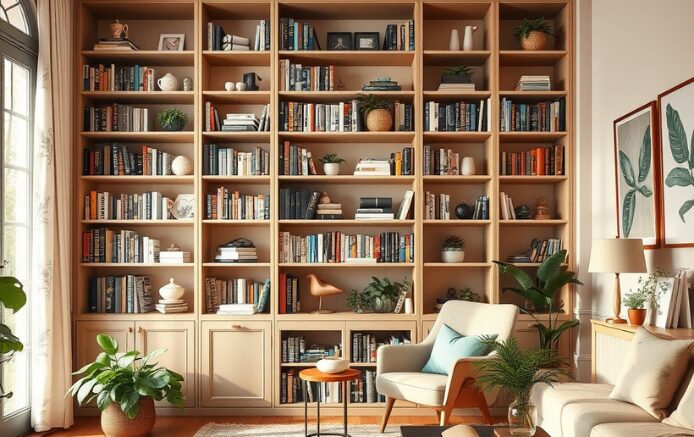
Bookshelves have long been a staple in living rooms, serving as a practical storage solution and a stylish design element. They can transform a space and provide a focal point that reflects your personality, interests, and aesthetic preferences. This article will explore the various aspects of living room bookshelves, including their storage capabilities, styling options, design inspirations, and the pros and cons of incorporating them into your home.
| Category | Details |
| Storage | Store books, decorative items, electronics, and miscellaneous items using bins or drawers. |
| Style | Options include minimalist, rustic, industrial, and built-in designs to match any decor. |
| Design Inspiration | Floating shelves, corner units, ladder-style shelves, and floor-to-ceiling built-ins. |
| Pros | It enhances organization, adds personality versatile storage, and optimizes vertical space. |
| Cons | Requires regular maintenance, potential for clutter, and may dominate small spaces. |
This concise table captures the essence of living room bookshelves in a structured format.
Enhancing Functionality and Style with Living Room Bookshelves
Living room bookshelves do more than just display books; they act as versatile design elements that blend storage with personal expression. By choosing shelving that complements your room’s scale, layout, and aesthetic, you can create a focal point that organizes everyday items while showcasing art, plants, and cherished keepsakes. Whether you lean toward built-in units that maximize wall space or freestanding shelves that add depth and dimension, the right bookshelf enhances both function and style. Thoughtful arrangement of items—from stacking books by color to integrating decorative pieces—can also improve visual flow and make the room feel more cohesive. Ultimately, living room bookshelves offer a functional solution that elevates interior design and reflects individual taste.
The Functionality of Living Room Bookshelves
Organization Tips
To make the most of your living room bookshelves, consider these organization tips:
- Categorize Your Books: Grouping books into categories can make it easier to find what you’re looking for and create a more organized appearance.
- Use Baskets or Boxes: Incorporate decorative baskets or boxes on lower shelves to store smaller items. This keeps things tidy and adds texture and color to the overall design.
- Rotate Your Collection: If you have many books, consider rotating them seasonally. This keeps your display fresh and allows you to revisit books you may have forgotten.
Storage Solutions
Bookshelves are traditionally associated with storing books, but their functionality extends far beyond this basic purpose. They serve as versatile storage solutions that can enhance both organization and aesthetics in your living room.
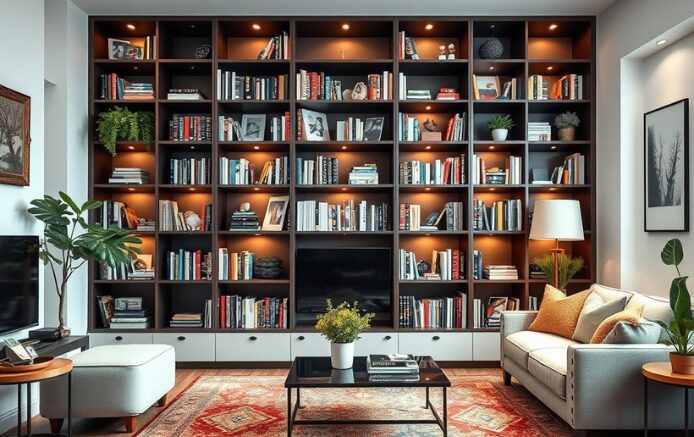
Beyond housing your book collection—neatly arranged by genre, author, or color for a visually appealing display—bookshelves also act as platforms for showcasing decorative items like photographs, art pieces, and collectibles, adding a personal and inviting touch to your space. Modern designs incorporate drawers or cabinets, offering hidden storage for electronics, games, or craft supplies.
Bookshelves can double as dividers in smaller living rooms, creating multifunctional spaces within an open floor plan while maintaining light flow. Additionally, tall bookshelves make excellent use of vertical space, drawing the eye upward and making the room feel larger and more open.
Design Inspiration for Living Room Bookshelves
Looking for ideas to incorporate a bookshelf into your living room? Here are some inspiring styles and layouts:
1. Floating Shelves
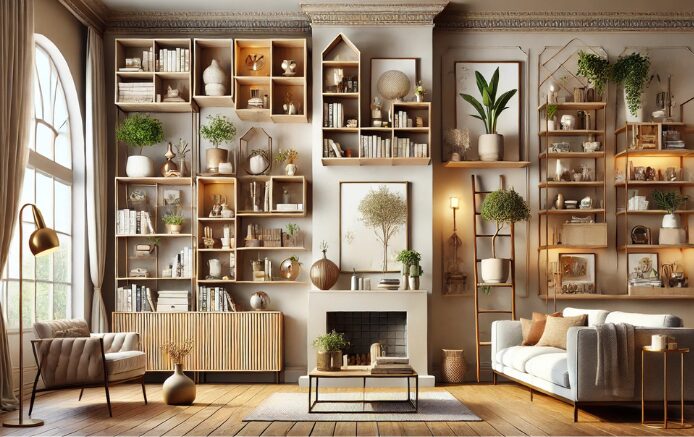
Perfect for small living rooms, floating shelves save floor space while offering a sleek and modern look. Arrange them asymmetrically for added visual interest.
2. Corner Bookshelves
Make use of unused corners by installing corner bookshelves. This design saves space and adds depth to your living room.
3. Ladder-Style Shelves
Learn a ladder-style bookshelf against the wall for a trendy, casual vibe. It works well for showcasing books and decorative items in equal measure.
4. Built-in shelves Around the TV
Combine storage and style by framing your TV with built-in bookshelves. This creates a central focal point while providing ample storage.
5. Modular Bookshelves
For a contemporary twist, try modular shelves that can be rearranged to suit your needs. These work well for dynamic, ever-evolving spaces.
6. Floor-to-ceiling shelves
Ideal for avid readers and collectors, these shelves make a grand statement. Use a rolling ladder for accessibility and old-world charm.
Styling Your Bookshelves
- Mix and Match: Combine books with decorative items to create a balanced look. Use varying heights and sizes to add visual interest.
- Incorporate Color: If you have a large collection of books, consider organizing them by color for a striking visual effect. Alternatively, you can leave books in their dust jackets for a more uniform look.
- Add Greenery: Incorporating plants into your bookshelf design can bring life to the space. Choose low-maintenance plants like succulents or ferns for a touch of nature.
- Use Lighting: Install LED strip lights or spotlights to highlight your books and decorative items. This not only enhances visibility but also creates a warm ambiance.
- Personal Touches: Add personal items like travel souvenirs, family photographs, or heirlooms to make the bookshelf uniquely yours.
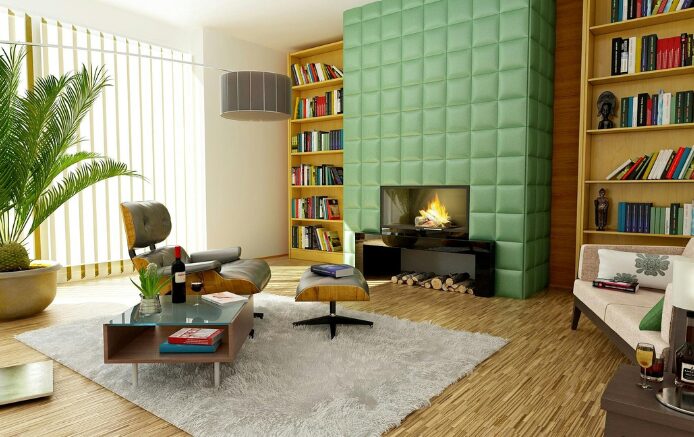
Design Inspiration
Looking for inspiration? Here are some ideas to spark your creativity:
1. Minimalist Design
For a clean and uncluttered look, opt for a minimalist bookshelf design. Choose simple lines and neutral colors, and limit decorative items to a few select pieces. This style works well in modern or Scandinavian-inspired spaces.
2. Eclectic Style
Mix different styles and eras for a more eclectic vibe. Combine vintage books with contemporary decor and use a variety of shelf sizes. This approach allows for creativity and personality to shine through.
3. Industrial Chic
Incorporate materials like metal and reclaimed wood for an industrial look. Open shelving can create a rugged appeal while allowing decorative items to be showcased effectively.
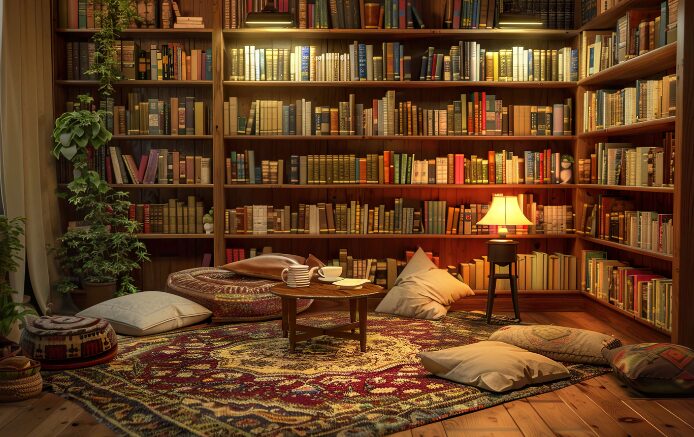
4. Cozy Reading Nook
Create a cozy reading corner by positioning a bookshelf next to a comfortable chair or window. Add soft lighting, a small side table, and a plush blanket to make it inviting.
5. Themed Shelves
Consider creating themed bookshelves based on your interests, such as travel, cooking, or art. This adds a personal touch and can serve as a conversation starter.
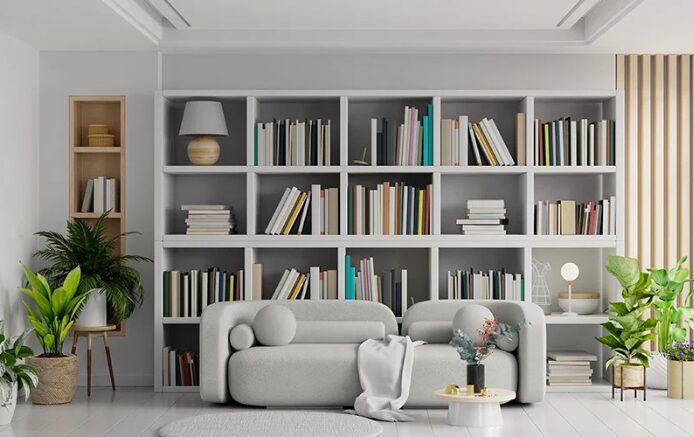
Pros and Cons of Living Room Bookshelves
Pros
- Versatile Storage: Bookshelves offer versatile storage solutions for books, decorative items, and more. They can adapt to various needs over time.
- Aesthetic Appeal: Well-styled bookshelves can enhance the overall aesthetic of a room, serving as a focal point that reflects your style.
- Increased Property Value: Built-in bookshelves can add value to your home, making it more appealing to potential buyers.
- Encourages Reading: A well-stocked bookshelf can inspire a love for reading, making books easily accessible for everyone in the household.
- Personal Expression: Bookshelves allow you to express your personality and interests through the items you choose to display.
Cons
- Space Consumption: Bookshelves can take up significant floor space, which may not be ideal for smaller living rooms.
- Maintenance: Dusting and organizing bookshelves can require regular maintenance, especially if they are heavily used.
- Overcrowding: It’s easy to overcrowd bookshelves, leading to a cluttered look. Finding a balance between books and decorative items is essential.
- Cost: High-quality, custom-built bookshelves can be expensive. Budget considerations may limit your options.
- Trendy Styles: Some bookshelf designs can become outdated over time. Choosing timeless styles can mitigate this issue.
Conclusion
Living room bookshelves serve as multifunctional pieces that combine storage, style, and personal expression. From traditional to modern designs, there’s a bookshelf style to suit every taste and need by considering the pros and cons and drawing inspiration from various styles.
You can create a bookshelf that not only enhances the aesthetic of your living room but also reflects your unique personality. Whether you’re an avid reader or love to display your favorite items, a well-designed bookshelf can transform your space into a welcoming and stylish environment.
Apart from that if you want to know about “The Quickest and Easiest Way to Tile Your Backsplash” then please visit our “Home Improvement” Category.
FAQs
Wood, metal, and glass are popular choices, offering a unique style and durability.
Living room bookshelves store books and decorative items while enhancing aesthetics.
Combine books, decorative pieces, plants, and storage bins for a balanced and visually appealing display.
Built-in bookshelves offer a custom, seamless look and maximize space, while freestanding shelves provide flexibility and are easier to move or replace.
Bookshelves work best along empty walls, around a TV unit, beside sofas, or as built-in units that frame windows or fireplaces.