
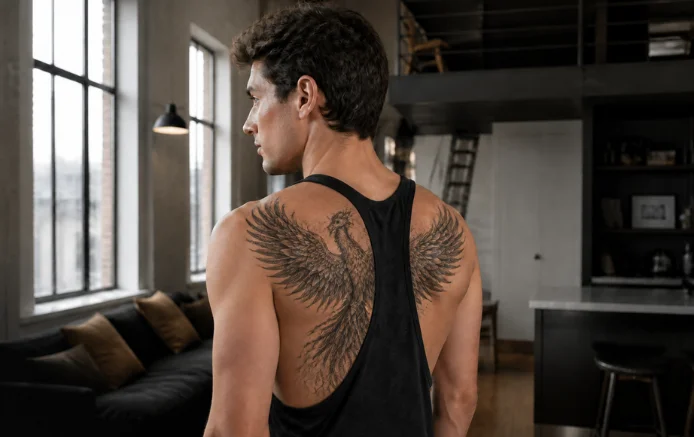
Choosing the right tattoo placement can change how your design looks, feels, heals, and ages. The best area depends on size, visibility, sensitivity, and your daily routine. You should also consider how the artwork follows your body’s natural shape.
A beautiful design can feel awkward when placed on the wrong surface. Curved areas can change proportions, while joints can distort details during movement. Your artist can adjust orientation and scale before the stencil becomes permanent.
Direct answer: Choose a body area by balancing design shape, visibility, sensitivity, movement, friction, and sun exposure. Outer arms, thighs, calves, and upper backs suit many designs. Hands, feet, ribs, and sternums usually require more planning because they can hurt more or fade faster.
Tattoo Placement at a Glance
| Body area | Visibility | Typical sensitivity | Best suited for | Long-term consideration |
|---|---|---|---|---|
| Outer upper arm | Medium | Lower | Medium pieces, portraits, florals | Usually easy to cover |
| Forearm | High | Lower to moderate | Script, linework, vertical designs | More sun exposure |
| Shoulder | Medium | Lower | Round or curved artwork | Works well with body contours |
| Upper back | Low | Lower to moderate | Large or detailed pieces | Protected from regular sunlight |
| Ribs | Low | Higher | Long, flowing designs | Movement from breathing |
| Thigh | Low to medium | Lower | Large detailed artwork | Broad working surface |
| Calf | Medium | Lower to moderate | Vertical artwork | Sun exposure during warm months |
| Hand or fingers | High | Higher | Small, simple designs | Friction can speed fading |
| Foot or ankle | Medium | Higher | Small decorative pieces | Shoes can increase friction |
Pain ratings are never exact because sensitivity varies from person to person. Areas over bone commonly feel sharper than areas with more muscle or padding. Current placement guides consistently identify outer arms and thighs as more forgiving choices.
Start With the Shape and Size of Your Design Tattoo Placement
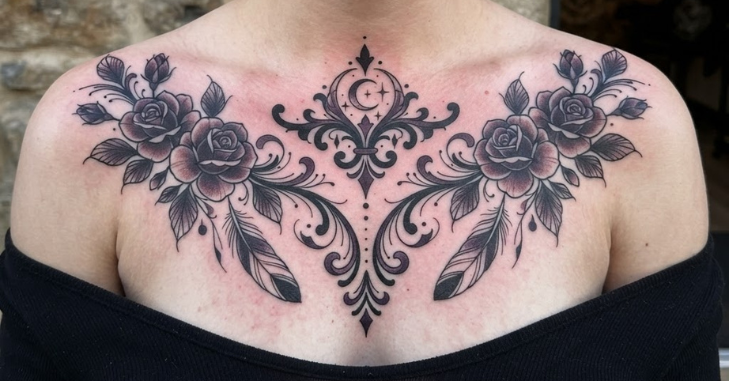
Your artwork should fit the natural shape of the chosen body area. Tall designs often suit forearms, calves, ribs, and the spine. Wider artwork usually works better across the chest, thigh, shoulder blade, or upper back.
Fine details also need enough physical space to remain readable. Compressing detailed artwork into a tiny area can weaken clarity as lines settle. A tattoo placement experienced artist may recommend increasing the size or simplifying certain elements.
Body curvature matters as much as available space. A wide image can disappear around the sides of a narrow arm. Checking the stencil from several viewing angles helps prevent that problem.
Decide How Visible You Want the Piece
Visibility should match your lifestyle rather than current trends. Forearms, hands, necks, and lower legs can remain visible during ordinary activities. Upper arms, thighs, backs, ribs, and torsos provide greater control over exposure.
Workplace expectations also deserve consideration before you commit. Policies vary widely between employers, industries, and locations across the United States. A coverable area can provide flexibility if your career circumstances later change.
Visibility can also affect how often you personally enjoy the artwork. A forearm piece stays within your view throughout the day. Back artwork offers privacy but may rarely appear in your own direct sight.
Your choice can become part of your wider personal style. Magclone’s guide to developing a personal style offers related ideas about intentional self-expression. The same principle applies when permanent body art becomes part of your appearance.
Consider Pain Without Letting It Make the Entire Decision
Pain varies with individual tolerance, session length, anatomy, and the chosen location. Thin skin over bone generally feels more intense during the process. Fleshier areas commonly feel easier for many clients.
Ribs, sternums, spines, ankles, hands, and feet often appear among more sensitive locations. Outer upper arms, outer thighs, shoulders, and calves usually fall toward the easier side. These patterns are useful guidelines rather than guarantees.
First-time clients may benefit from choosing a manageable surface. A flatter area also makes positioning easier during longer sessions. Recent beginner guidance highlights outer arms, forearms, thighs, calves, and shoulders as practical starting points.
Think About Healing, Friction, and Sun Exposure
Fresh body art needs protection while the skin recovers. Hands and feet experience frequent washing, movement, shoes, and contact with everyday surfaces. Those conditions can make healing and long-term maintenance more demanding.
Sun exposure also affects how colors and lines look over time. The American Academy of Dermatology recommends SPF 30 or higher on healed ink exposed outdoors. UV light can contribute to fading, making exposed areas more maintenance-heavy.
Areas beneath ordinary clothing often receive less direct ultraviolet exposure. Upper arms, backs, and thighs can therefore offer easier protection during daily life. Sunscreen still matters whenever healed artwork becomes exposed.
Your clothing habits can affect recovery as well. Tight fabric or repetitive rubbing can irritate a fresh area. Magclone’s practical fashion guide illustrates how comfort and movement should influence clothing choices.
Best Placement Options for Common Goals
For a First Piece
The outer upper arm is one of the most adaptable starting areas. It offers useful space without sitting directly over a major joint. You can also cover it easily with many shirts.
The outer thigh gives even more room for medium or large artwork. It provides a broad surface for detailed imagery and curved compositions. Clothing also makes visibility easy to control.
Calves work well for vertical or moderately detailed pieces. They can accommodate artwork without forcing the design into a narrow wrist-sized area. Shorts expose the piece, while pants provide simple coverage.
For Small Designs
Wrists, ankles, behind-the-ear areas, and inner arms attract people wanting smaller artwork. Simple shapes usually work better than compressed illustrations containing many tiny elements. Your artist should evaluate whether the design needs more room.
Finger and hand pieces require extra thought before booking. Constant washing, movement, and friction can affect how they age. Some artists may also recommend future touch-ups for these locations.
For Large or Detailed Artwork
Backs and thighs provide broad surfaces for complex compositions. They allow the artist to preserve detail without squeezing elements together. Large areas also support designs that may expand during later sessions.
The chest can work well for wide or symmetrical compositions. Shoulder and upper-arm sections can connect naturally into larger sleeve concepts. Planning future expansion before starting can prevent awkward gaps later.
Creative industries often treat personal appearance as part of a wider visual identity. Magclone’s article on modern nail artistry discusses another form of detailed visual self-expression. Body art similarly benefits from balancing creativity with technical execution.
How Movement Changes the Design
Your body never stays completely still. Arms rotate, knees bend, ribs expand, and shoulders change position throughout the day. Artwork placed across moving areas must account for those changes.
A circular design may appear different when wrapped around a narrow arm. Lettering can also become harder to read when crossing joints or sharp curves. Artists often adjust the stencil so the finished work looks balanced in a neutral position.
Test the stencil while standing naturally before approving it. Look at the design from the front, sides, and a few feet away. Photos can also reveal alignment issues that feel less obvious in a mirror.
Do Not Ignore Skin Safety
Permanent body art breaks the skin barrier, so hygiene matters regardless of location. The FDA warns that infections can result from contaminated products or unsafe practices. Allergic reactions and other skin problems are also possible.
Choose a reputable studio that follows local health requirements and sanitary procedures. Ask questions about equipment, ink handling, and aftercare before your appointment. Contact a healthcare professional if healing appears abnormal or you develop concerning symptoms.
Avoid placing new artwork directly over moles when possible. The American Academy of Dermatology advises keeping moles visible for easier skin monitoring. A dermatologist can give individual guidance when you have concerns about a specific area.
A Simple Way to Choose Before Booking
Use a temporary mockup before making the final decision. Print the design near its planned size or ask your artist for a stencil. Wear or view it in that position during normal standing and movement.
Next, test how clothing interacts with the area. Check work clothes, exercise clothing, formal wear, and everyday outfits. This reveals whether the visibility level matches your expectations.
Finally, ask your artist whether the artwork suits that surface. Good placement decisions combine your preference with technical knowledge about scale and flow. Changing the angle slightly can improve the final result without changing your concept.
Make the Final Choice With Your Artist
The strongest decision balances aesthetics, comfort, visibility, and long-term practicality. Bring your preferred location to the consultation, but stay open to small adjustments. A skilled artist can explain how the artwork will sit on your specific body.
Take time with the stencil instead of approving the first position. Move naturally, check several angles, and consider your future plans for nearby areas. A few careful minutes before the session can protect a decision you will live with for years.
Frequently Asked Questions About Tattoo Placement
What is the best tattoo placement for a first-timer?
Outer upper arms, outer forearms, thighs, shoulders, and calves are practical options for many beginners. They offer useful surfaces without relying on extremely small or highly sensitive areas. Your ideal choice still depends on design size and individual pain tolerance.
Where do tattoos usually hurt the least?
Areas with more muscle or soft tissue often feel easier than thin, bony locations. Outer arms, shoulders, thighs, and calves commonly appear among more manageable choices. Personal anatomy and sensitivity can still change your experience.
Which areas may fade faster?
Hands, fingers, and feet often face more friction and repeated washing. Regular sun exposure can also affect visible ink over time. Proper aftercare and UV protection help preserve healed artwork.
Where should I put a design that I need to hide?
Upper arms, thighs, ribs, chests, and backs are usually easier to cover with everyday clothing. Your exact wardrobe will determine which area stays concealed most reliably. Test your normal clothes before approving the stencil.
Does the placement have a fixed meaning?
Body locations do not carry one universal meaning. Personal symbolism can make a particular area meaningful to the wearer. Cultural context and other people’s perceptions may influence how visible locations are interpreted.