Last Updated on October 18, 2026 by Ayan Zaheer
Transforming your wardrobe starts with understanding what you already own, what you actually wear, and what makes you feel like yourself, then filling the gaps deliberately instead of shopping on impulse. A strong personal style is less about trends and more about a clear set of colors, shapes and pieces that work together. The steps below walk you from a closet audit to a wardrobe that is easier to dress from every morning.
Step 1: Audit what you already own
Most people wear a small share of their clothes most of the time. Before buying anything, take everything out of your closet and sort it into four piles:
- Love and wear: pieces you reach for often and feel good in. These are your style clues.
- Like but rarely wear: ask why. Is it the fit, the color, the fabric, or that nothing goes with it?
- Needs repair or tailoring: a hem, a button or a taken-in waist can bring a piece back into rotation.
- Let go: items that do not fit, are worn out, or no longer suit your life.
Donate, resell or recycle what you let go rather than throwing it away. The EPA estimated that Americans generated about 17 million tons of textile waste in 2018, and roughly 11.3 million tons of it went to landfill, so giving clothes a second life matters.
Step 2: Find your style direction
Look at your “love and wear” pile and note what the pieces have in common: relaxed or structured shapes, bright or muted colors, prints or solids. Then collect outside inspiration. Save outfit images from magazines, street style photos, social media or people you admire, ideally 20 to 30 images, on a mood board or Pinterest board. Patterns appear quickly: maybe you keep saving tailored trousers, earthy tones or minimalist jewelry.
A useful exercise is to describe your target style in three words, such as “polished, relaxed, warm” or “bold, modern, practical”. Use those words as a filter when you shop. If a piece does not fit at least two of them, it probably will not get worn.
Step 3: Match your wardrobe to your real life
A common mistake is dressing for an imagined life. Estimate how you spend a typical week: office days, remote work, school runs, gym, evenings out, travel. If 70% of your week is casual, your wardrobe should reflect that, with your best effort going into elevated everyday pieces rather than outfits that wait for special occasions. Climate matters too: layering pieces earn their place in cold regions, while breathable fabrics matter more in hot ones.
Step 4: Build a foundation of versatile basics
Basics are the pieces that make outfits work. The idea of a small, interchangeable “capsule wardrobe” was revived by London boutique owner Susie Faux in the 1970s and popularized by Donna Karan’s “7 Easy Pieces” collection in 1985. You do not need a strict number of items, but a core set of coordinating basics makes getting dressed far easier. Typical foundation pieces include:
- Well-fitting jeans or trousers in a dark or neutral shade
- Plain T-shirts and a crisp button-down shirt
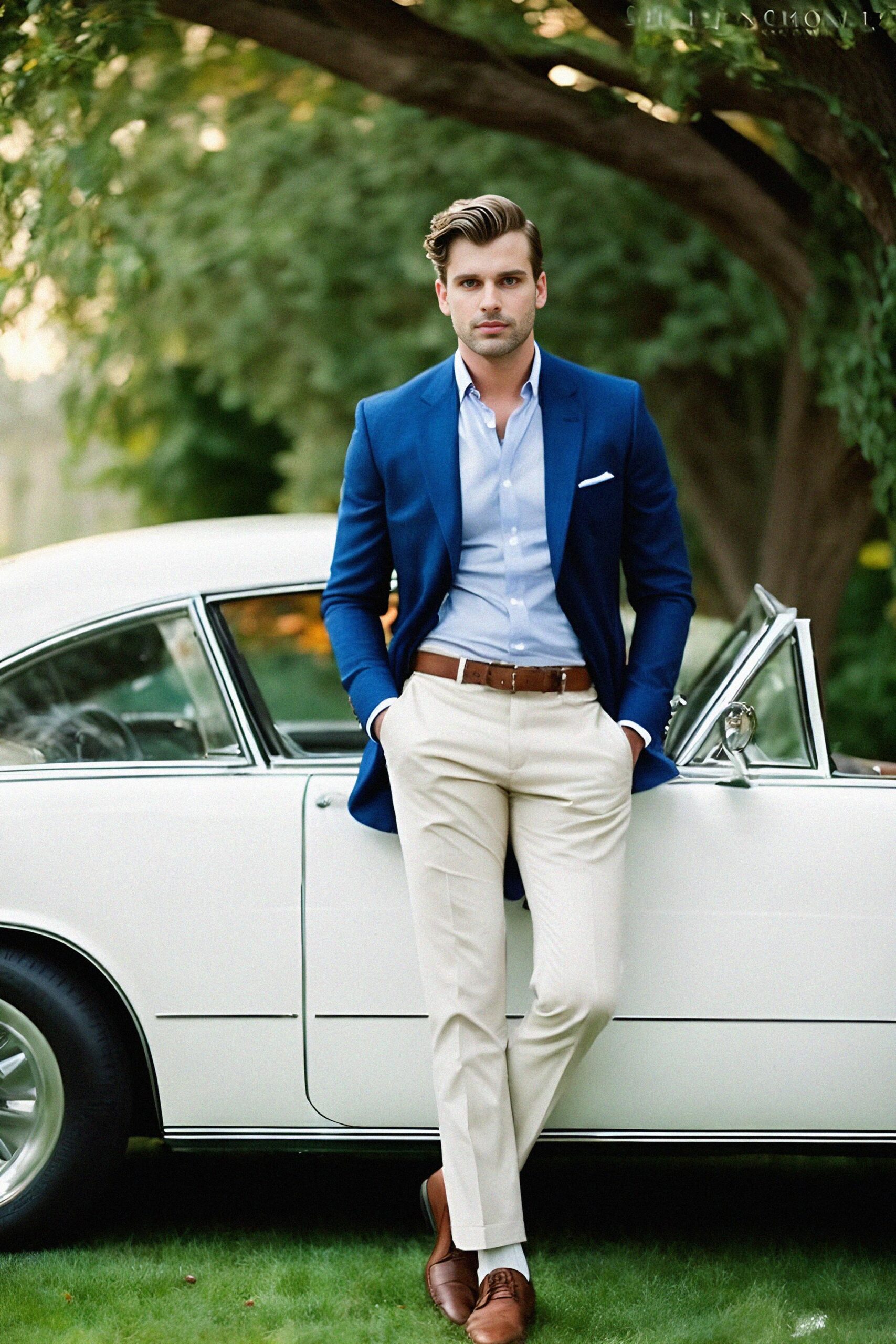
- A blazer or structured jacket
- A versatile knit sweater or cardigan
- A simple dress or smart separates you can dress up or down
- A weather-appropriate coat
- Two or three pairs of comfortable shoes that suit most of your outfits
Your basics do not have to be black, white and gray. If your best colors are navy, olive or camel, build your foundation around those so everything coordinates.
Step 5: Choose a color palette that works for you
A defined palette is one of the fastest ways to make a wardrobe feel cohesive. Pick two or three neutrals as your base, then a few accent colors you love. When most pieces share the same palette, almost everything can be mixed and matched.
Many people also find that certain shades flatter their skin tone, hair and eye color more than others. Color analysis is the practice of identifying those shades, often grouped into seasonal palettes. You can experiment yourself by holding different colored fabrics near your face in natural light, or work with a professional. Services such as Curate Your Style, a London-based studio offering color analysis, body shape consultations and personal styling (including online sessions), can help you curate your style around a palette and silhouette that suit you.
Step 6: Prioritize fit above everything
An inexpensive piece that fits well usually looks better than an expensive one that does not. Pay attention to shoulder seams (they should sit at the edge of your shoulder on jackets and shirts), sleeve length, trouser rise and hem length. Understanding your body proportions helps you choose cuts that balance your frame, but the simplest rule is to choose clothes that skim the body rather than pull or swamp it.
Find a local tailor. Hemming trousers, shortening sleeves or adjusting a waist is often affordable and can make off-the-rack clothes look custom. Factor tailoring into your budget when you buy.
Step 7: Add statement pieces with intention
Statement pieces give your wardrobe personality: a patterned dress, a bold coat, a bright bag or a distinctive piece of jewelry. The trick is balance. Pair one standout piece with quieter basics so it has room to shine. A vivid top works with neutral trousers; a dramatic necklace works with a plain neckline. Choose statement pieces that fit your three style words and your palette so they work with more than one outfit.
Step 8: Use accessories to change the look
Accessories are the most efficient way to get variety from a small wardrobe. The same jeans and white shirt look different with a leather belt and loafers, a silk scarf and ballet flats, or sneakers and a crossbody bag. Belts, scarves, hats, bags, watches and jewelry all count. If you love jewelry but not the prices, our guide on how to score high fashion necklaces at wallet-friendly prices has practical tips. Hair is part of the picture too: a new cut can shift your whole look, as our piece on the pixie cut shows.
Step 9: Shop smarter
- Keep a running list of genuine gaps from your audit and shop from it.
- Apply the three-outfit rule: before buying, picture at least three outfits you could make with pieces you already own.
- Think cost per wear: a $120 coat worn 100 times costs $1.20 per wear; a $30 top worn twice costs $15 per wear.
- Check fabric and construction: look at seams, stitching, fabric weight and care labels. Natural fibers and well-made blends usually age better.
- Consider secondhand: thrift, consignment and resale platforms are good places to find quality basics and unique statement pieces at lower prices.
Step 10: Keep it working over time
Style evolves, so revisit your wardrobe each season. Swap out-of-season items into storage so your closet only shows what you can wear now. Care for clothes properly: wash less often where possible, follow care labels, use proper hangers for jackets and fold knits to prevent stretching. A simple tracking trick is to turn every hanger backward at the start of a season and flip it when you wear the item; after a few months you will see exactly what you never reach for.
Common mistakes to avoid
- Buying pieces because they are on sale rather than because you need them.
- Chasing every trend instead of adopting the few that fit your style.
- Keeping clothes that do not fit “for when I lose or gain weight”.
- Ignoring comfort; uncomfortable clothes rarely get worn.
- Overhauling everything at once instead of replacing pieces gradually.
Frequently asked questions
How do I find my personal style?
Start with the clothes you already love wearing, collect 20 to 30 inspiration images, and look for repeated colors and shapes. Summarize the result in three words and use them to guide future purchases.
How many pieces should a capsule wardrobe have?
There is no fixed rule. Many people aim for roughly 30 to 40 core pieces per season including shoes, but the right number is whatever covers your lifestyle with pieces that all coordinate.
Can I transform my wardrobe on a budget?
Yes. Start by restyling and tailoring what you own, shop secondhand for basics, and buy gradually from a gap list. Accessories are an inexpensive way to refresh outfits.
What is color analysis?
Color analysis identifies the shades that best complement your skin tone, hair and eyes, often grouped into seasonal palettes. It helps you choose clothing and makeup colors that look harmonious together.
How often should I clear out my closet?
A quick review at each change of season works well for most people, with a deeper audit once a year.