
Last Updated on November 6, 2026 by haydenholmes
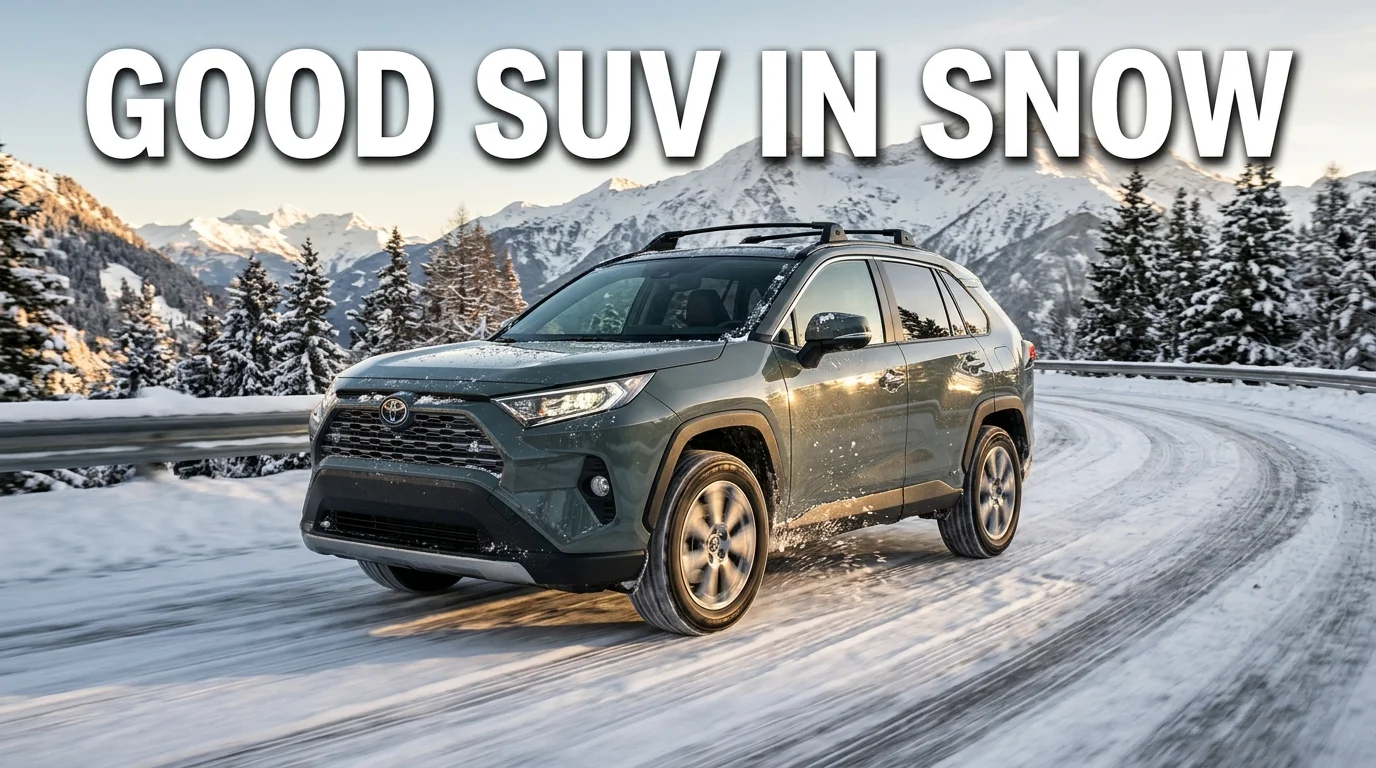
Finding a good SUV in snow takes more than checking whether all-wheel drive appears on the window sticker. Tires, ground clearance, traction programming, visibility, and predictable handling all matter during a U.S. winter. For most drivers, the 2026 Subaru Forester offers the strongest mix of capability, practicality, and value.
Quick answer: The Subaru Forester is our best overall winter pick because every 2026 model includes all-wheel drive and 8.7 inches of clearance. The Crosstrek costs less, while the Bronco Sport suits rougher winter roads. Drivers facing deep, poorly plowed snow should also consider the 4Runner or Grand Cherokee.
Best Winter Picks at a Glance
| Model | Snow-Friendly Drivetrain | Ground Clearance | 2026 Starting MSRP* | Best For |
|---|---|---|---|---|
| Subaru Forester | Standard AWD | 8.7 in. | \$29,995 | Best overall |
| Subaru Crosstrek | Standard AWD | 8.7 in. | \$26,995 | Budget-friendly choice |
| Mazda CX-50 | Standard AWD | 8.3–8.6 in. | \$29,900 | Road manners |
| Ford Bronco Sport | Standard 4×4 | 7.8 in. base | \$31,845 | Rough winter roads |
| Honda CR-V | Available AWD | Varies by trim | \$30,920 | Family commuting |
| Jeep Grand Cherokee | Available 4×4 | Varies by setup | \$38,920 | Comfort and capability |
| Toyota 4Runner | Available 4WD | Up to 10.1 in. | \$42,270 | Deep or unplowed snow |
*Starting prices can apply to configurations without the snow-focused drivetrain discussed here. Check current trim pricing before buying. Manufacturer pricing can also change during the model year.
What Makes a Good SUV in Snow?
A good SUV in snow needs dependable traction, but drivetrain design is only one part of winter performance. Useful ground clearance helps prevent packed snow from contacting the underside on unplowed streets. Predictable stability control also helps drivers manage changing grip.
Tires deserve equal attention because every vehicle relies on four small contact patches. NHTSA says winter tires outperform all-season tires in deep snow. The agency also recommends checking tread depth and tire pressure as temperatures fall.
AWD and 4WD can help a vehicle accelerate on slippery surfaces. They do not create shorter braking distances by themselves. AAA specifically warns that four driven wheels improve acceleration without giving a vehicle better braking than conventional drivetrains.
1. Subaru Forester: Best Overall for Most Snow-Belt Drivers
The 2026 Subaru Forester is our first choice for drivers who regularly encounter snow but still need an everyday family vehicle. Symmetrical All-Wheel Drive comes standard across the lineup. Standard models also provide 8.7 inches of ground clearance.
The Wilderness trim increases clearance to 9.3 inches and adds equipment aimed at difficult surfaces. That extra capability can help drivers with steep driveways, rural roads, or slower snow removal. Most suburban commuters can stay with a regular trim and invest in suitable winter tires.
Pros
* Standard AWD on every trim. * 8.7 inches of standard clearance. * 9.3-inch Wilderness option. * Practical passenger and cargo space. * Competitive \$29,995 starting price.
Cons
* Wilderness costs noticeably more. * Extra off-road equipment is unnecessary for many commuters. * Winter tires still matter on ice.
2. Subaru Crosstrek: Best Affordable Choice
The 2026 Crosstrek starts at \$26,995 and includes Symmetrical All-Wheel Drive. Regular versions offer 8.7 inches of clearance, despite the vehicle’s relatively compact footprint. That combination suits city drivers who want winter traction without buying a larger vehicle.
Subaru also equips the lineup with X-MODE settings intended for slippery conditions. The Wilderness version raises clearance to 9.3 inches for tougher roads. Its smaller dimensions can also make snowy parking lots easier to navigate than larger body-on-frame models.
Pros
* Low entry price. * Standard AWD. * Strong clearance for its size. * Wilderness model available.
Cons
* Less passenger space than larger crossovers. * Smaller cargo area. * Wilderness equipment increases the price.
3. Mazda CX-50: Best for Drivers Who Value Road Manners
Mazda’s 2026 CX-50 starts at \$29,900 and comes with i-Activ AWD. Depending on configuration, ground clearance ranges from 8.3 to 8.6 inches. Mazda says its system monitors vehicle dynamics and changes torque distribution as conditions change.
This model makes sense when winter capability must coexist with composed pavement handling during the rest of the year. Its clearance is enough for typical plowed roads and moderate accumulation. Drivers facing deep rural snow may prefer a taller Wilderness or 4WD model.
Pros
* Standard AWD. * 8.3–8.6 inches of clearance. * Competitive base price. * Well suited to mixed seasonal driving.
Cons
* No dedicated deep-snow trim like Subaru Wilderness. * Not intended for extreme winter trails. * Tire selection remains important.
4. Ford Bronco Sport: Best Compact Pick for Rough Winter Roads
Every 2026 Bronco Sport comes with four-wheel drive, while the Badlands gets an advanced system. Ford lists a \$31,845 starting MSRP for the Big Bend. That trim also includes selectable terrain settings, including a slippery-road mode.
Base ground clearance is 7.8 inches, which trails several competitors here. Badlands raises clearance and adds hardware aimed at more difficult terrain. Buyers dealing with rutted access roads may find those upgrades more useful than commuters on cleared interstates.
Pros
* Standard 4×4. * Slippery-road drive mode. * Advanced Badlands system available. * Compact exterior dimensions.
Cons
* Lower base clearance than several rivals. * Badlands adds cost. * Rugged equipment can be excessive for city driving.
5. Honda CR-V AWD: Best for Family Commuting
The 2026 Honda CR-V remains a sensible winter choice when daily comfort matters more than off-road ability. Honda offers Real Time AWD and a drive system with Snow mode. The 2026 lineup starts at \$30,920 before optional equipment.
This crossover suits drivers who mostly travel on paved roads that receive regular plowing. Snow mode can adjust vehicle behavior for low-grip surfaces, while available AWD helps traction. Dedicated winter tires can provide a more meaningful upgrade when frequent ice or heavy snow is expected.
Pros
* Available AWD. * Dedicated Snow mode. * Family-friendly interior. * Useful driver-assistance equipment.
Cons
* AWD is not standard across the range. * Less focused on deep snow. * Buyers must compare configurations carefully.
6. Jeep Grand Cherokee 4×4: Best for Comfort and Severe Weather
A properly equipped 2026 Grand Cherokee brings more serious winter hardware to a comfortable midsize package. Jeep offers two 4×4 systems, plus Selec-Terrain settings for Snow, Auto, Rock, and Mud/Sand. An available air suspension can also raise the vehicle when additional clearance is needed.
The model starts at \$38,920, although that figure applies to the broader lineup rather than every 4×4 configuration. Buyers should price the drivetrain and options they need instead of comparing base stickers alone. Jeep itself also recommends winter tires for improved traction in snow and ice.
Pros
* Two available 4×4 systems. * Dedicated Snow mode. * Available adjustable suspension. * Comfortable for longer winter trips.
Cons
* Costs more than compact choices. * Desired 4×4 equipment can increase the price. * Larger dimensions are less convenient in cities.
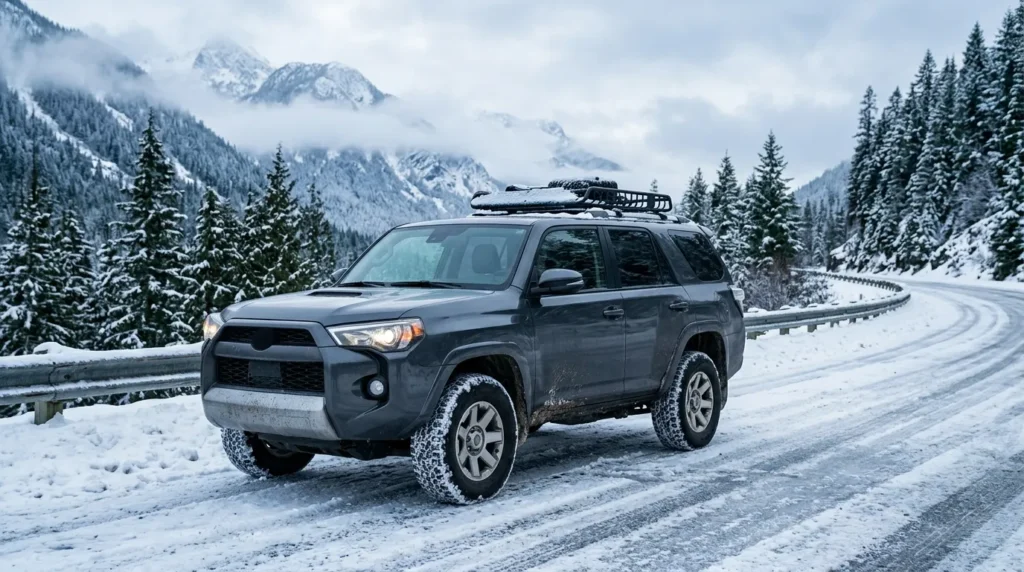
7. Toyota 4Runner 4WD: Best for Deep and Unplowed Snow
Drivers who routinely face deep accumulation may need more capability than the average crossover provides. The 2026 Toyota 4Runner offers available part-time or full-time four-wheel drive. Toyota lists up to 10.1 inches of ground clearance, depending on configuration.
Its \$42,270 starting MSRP places it well above smaller winter-ready choices. That premium makes more sense for rural travel, mountain access, or poorly maintained roads. Urban drivers usually gain little from carrying that extra off-road capability every day.
Pros
* Available 4WD systems. * Up to 10.1 inches of clearance. * Strong choice for unplowed roads. * Multiple off-road-oriented trims.
Cons
* Highest starting price in this list. * Larger and heavier than compact crossovers. * More capability than many commuters need.
Which Winter Vehicle Should You Choose?
Choose the Forester if you want the strongest all-around balance for normal U.S. winter driving. Pick the Crosstrek when price and compact dimensions matter more. Consider the Bronco Sport, Grand Cherokee, or 4Runner when roads stay unplowed longer.
The CX-50 makes sense for drivers who prioritize everyday pavement behavior. The CR-V is another strong family-oriented commuter when equipped with AWD. Your local snowfall, road maintenance, hills, and parking needs should guide the final choice.
Before replacing your current vehicle, also consider its condition and tires. Magclone’s guide to New York car insurance can help owners think through another recurring cost of ownership. Its Huntsville auto-accident guide also explains how poor weather and worn tires can increase driving risks.
Renting before buying can help you judge cabin space and everyday usability. Magclone’s car-rental savings guide covers ways to control rental costs during that process. Try to drive a candidate in conditions similar to your usual commute.
Winter Tires Matter More Than Many Buyers Expect
Four driven wheels can help you leave a snowy parking space. Stopping and cornering still depend heavily on tire grip. NHTSA recommends considering snow tires and keeping tread and pressure within safe limits.
A winter tire package may deliver more safety value than moving to an expensive off-road trim. This matters especially in areas with frequent ice, packed snow, or long freezing periods. Use four matching winter tires rather than mixing tire types between axles.
Safe technique remains essential even with excellent equipment. NHTSA advises slowing down and allowing more distance on slick roads. AAA recommends smooth acceleration, braking, and steering because traction changes quickly in winter.
What to Check Before Buying
Start by confirming whether AWD or 4WD is standard on the exact trim you are considering. Advertised starting prices sometimes refer to front-wheel-drive or two-wheel-drive versions. Compare the actual configured price rather than the model’s headline MSRP.
Next, inspect ground clearance and the tires installed from the factory. Large all-terrain tires are not automatically better on packed snow or ice. Look for a tire setup that matches the conditions you face most often.
Finally, check cold-weather comfort and visibility features. Heated mirrors, effective defrosting, heated seats, and remote start can make winter ownership easier. They do not increase traction, but they can improve daily usability during freezing weather.
Frequently Asked Questions
What is a good SUV in snow for most people?
The Subaru Forester is the strongest all-around choice for most snow-belt households. It combines standard AWD with 8.7 inches of clearance and a competitive starting price. The Crosstrek is a compelling alternative for shoppers wanting something smaller and cheaper.
Is AWD or 4WD better in snow?
AWD usually suits commuting because it can manage changing traction automatically. Traditional 4WD can be useful for deep snow, rough roads, or off-road conditions. Neither system eliminates the need for proper tires and careful braking.
Do I need winter tires if I have AWD?
Winter tires are worth considering where deep snow, packed snow, or freezing temperatures occur regularly. NHTSA states that winter tires perform better than all-season tires in deep snow. AWD can improve acceleration, but tire grip remains critical during stopping and turning.
How much ground clearance is useful for snowy roads?
Around eight inches works well for many regularly plowed roads and moderate snowfall. More clearance can help when accumulation becomes deeper or roads remain unplowed. Excessive height alone does not guarantee safer winter handling.
Is a heavier vehicle safer in winter?
Extra weight does not automatically make a vehicle safer on snow or ice. Tires, speed, braking distance, stability systems, and driver behavior remain important. A heavy model can still slide when available grip is exceeded.
The Bottom Line
For most U.S. buyers, the 2026 Forester is the easiest winter recommendation because AWD and useful clearance come standard. The Crosstrek offers similar fundamentals at a lower starting price. Drivers facing harsher terrain can move toward the Bronco Sport, Grand Cherokee, or 4Runner.
Whatever you buy, budget for the tires and maintenance your climate requires. Check winter weather before longer trips, keep emergency supplies aboard, and slow down when surfaces become slick. The right vehicle helps, but traction and responsible driving determine how safely you reach your destination.