Commercial cooling systems can account for a significant share of a building’s energy use, especially during warmer months. When cooling equipment works harder than necessary, energy bills can rise while indoor comfort suffers. Improving efficiency does not always require a complete system replacement. Small changes to maintenance, controls, airflow and daily operation can make a meaningful difference.
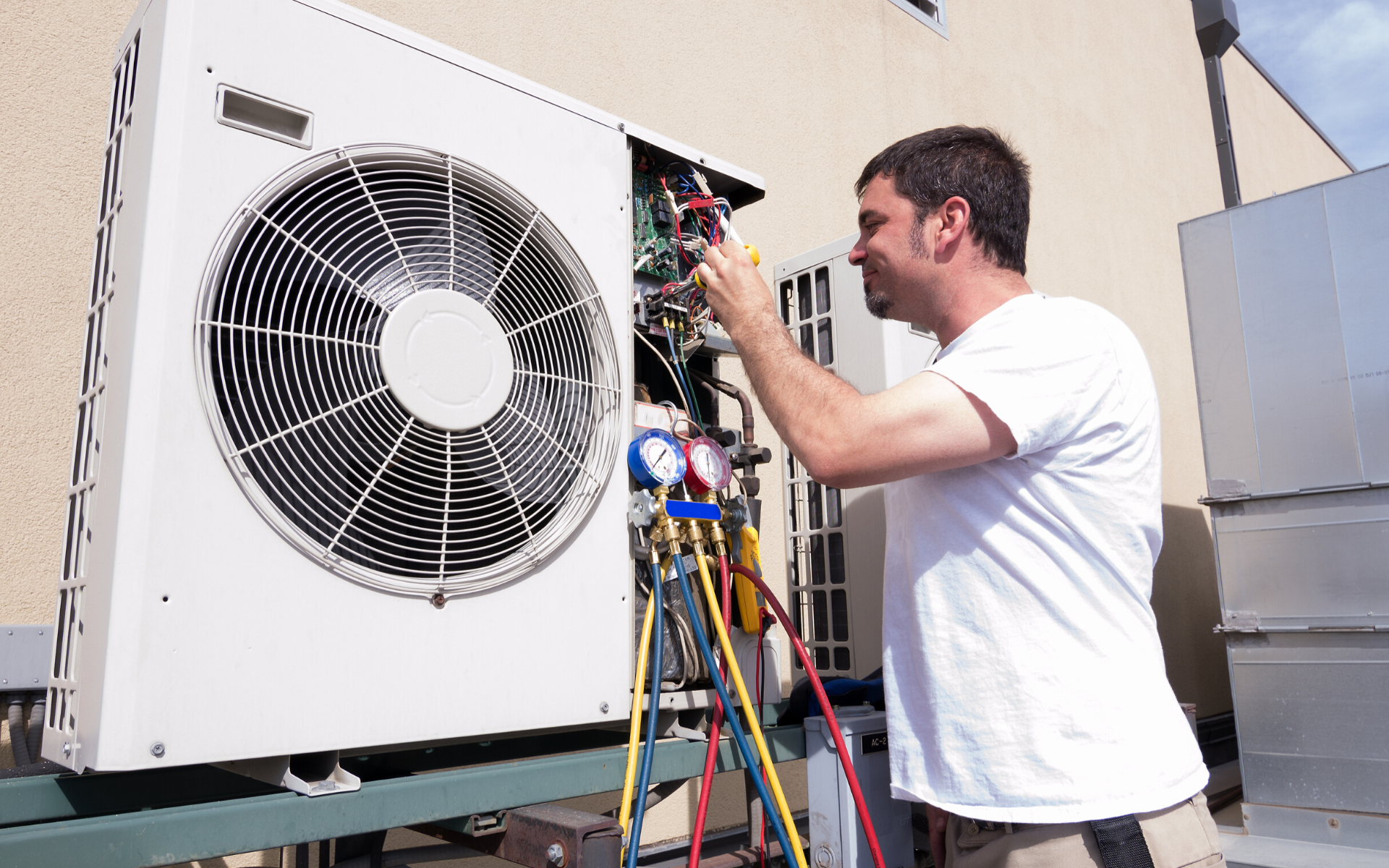
Working with qualified commercial air conditioning services can help businesses identify issues that may be reducing cooling performance. Professional technicians can assess the condition of equipment, check for common problems and recommend practical improvements based on the building and its cooling requirements. However, there are also several steps building owners and managers can take to improve efficiency.
Keep Cooling Equipment Well Maintained
Regular maintenance is one of the simplest ways to support efficient cooling. Dust, dirt and restricted airflow can make equipment work harder to maintain the desired indoor temperature. Over time, neglected components may also affect system performance and reliability. Professional commercial air conditioning services can help identify potential issues early and keep cooling equipment operating effectively.
A planned maintenance routine should include checks of filters, coils, fans, electrical components and other key parts. Filters should be replaced or cleaned according to the equipment manufacturer’s recommendations. Outdoor units should also be kept clear of leaves, rubbish and other obstructions that could restrict airflow.
Do Not Ignore Small Performance Changes
Changes in how a cooling system operates can provide an early warning that something needs attention. Longer running times, inconsistent temperatures, unusual sounds or weak airflow should not simply be ignored.
Addressing problems early can help prevent minor issues from developing into more disruptive and expensive repairs. It can also help keep the system operating closer to its intended performance.
Improve Temperature Control
Thermostat settings have a direct effect on how long a cooling system needs to operate. Setting the temperature unnecessarily low can increase energy use without providing a meaningful improvement in comfort.
Businesses should choose reasonable temperature settings that suit the building, its occupants and the activities taking place inside. Programmable or smart controls can also help manage cooling during periods when parts of a building are unoccupied.
For larger commercial properties, zoning can provide another useful option. Instead of cooling every area equally, separate zones can be controlled according to occupancy and usage. This can reduce unnecessary cooling in rooms that are rarely used.
Check Airflow and Building Insulation
Efficient cooling depends on more than the air conditioning equipment itself. Poor airflow can make it harder for conditioned air to reach occupied areas effectively.
Keep supply and return vents unobstructed by furniture, storage or other objects. Ductwork should also be checked for damage or leakage where appropriate. In buildings with older insulation, improving the building envelope may help reduce the amount of heat entering the space.
Simple measures such as keeping doors and windows closed while cooling is operating can also prevent conditioned air from escaping. In areas exposed to strong sunlight, suitable blinds or window coverings can further reduce unwanted heat gain.
Use Energy-Efficient Equipment Where Appropriate
Older cooling equipment may not operate as efficiently as newer models. If a system is approaching the end of its useful service life or requires frequent repairs, replacement may be worth considering.
However, equipment should not be replaced based on age alone. A professional assessment can help determine whether repair, maintenance, control improvements or replacement is the most sensible option.
When selecting new equipment, consider the building’s cooling requirements rather than simply choosing the largest available system. Correct sizing is important because an unsuitable system may not provide consistent comfort or operate as efficiently as expected.
Consider the Whole Building
Energy efficiency works best when cooling equipment and the building are considered together. Lighting, computers, machinery and other equipment can generate heat and increase cooling demand.
Businesses can reduce unnecessary heat by switching off equipment when it is not required and using efficient lighting where practical. Scheduling heat-producing activities outside the busiest cooling periods may also help in some commercial environments.
Monitor Energy Use
You cannot improve what you do not monitor. Reviewing energy consumption can help businesses identify unusual changes and understand how cooling demand varies throughout the year.
Compare energy use across similar periods and investigate unexpected increases. Smart meters and building management systems can provide additional information where available, making it easier to identify patterns and potential inefficiencies.
It is also useful to record maintenance activities, repairs and equipment changes. Keeping this information organised can help identify recurring problems and support better decisions about future upgrades.
Conclusion
Improving commercial cooling efficiency is about combining good maintenance, sensible temperature control, effective airflow and informed equipment decisions. Businesses do not necessarily need major upgrades to start reducing unnecessary energy use.
Regular checks and careful monitoring can reveal where improvements are needed. By taking a practical, whole-building approach to cooling, businesses can support reliable indoor comfort while working towards lower energy costs and better long-term system performance.