Last Updated on October 4, 2026 by naomicurtis
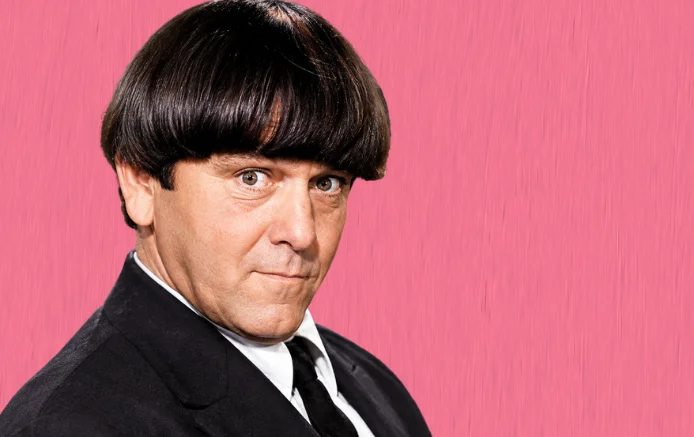
Moe Howard became one of American comedy’s most recognizable performers as the commanding leader of The Three Stooges. Born Moses Horwitz in Brooklyn, he built a career spanning early filmmaking, vaudeville, movie shorts, television, and live appearances. His bowl haircut, irritated stare, and aggressive comic character helped define the trio’s famous slapstick style.
Howard was born on June 19, 1897, and died on May 4, 1975, at age 77. His brothers Shemp and Curly also became members of The Three Stooges. Yet the man behind the screen character had a much broader story than the eye pokes and comic arguments suggest.
| Key fact | Details |
| Full name | Moses Horwitz, later legally Moe Howard |
| Born | June 19, 1897 |
| Birthplace | Brooklyn, New York |
| Died | May 4, 1975 |
| Age at death | 77 |
| Profession | Actor and comedian |
| Best known for | The Three Stooges |
| Brothers in the Stooges | Shemp Howard and Curly Howard |
| Wife | Helen Schonberger |
| Children | Joan and Paul |
| Famous screen image | Bowl haircut and short-tempered leader |
| Resting place | Hillside Memorial Park Cemetery, Culver City, California |
Quick answer: Moe Howard was an American actor and comedian best remembered as the forceful leader of The Three Stooges. Born Moses Horwitz in Brooklyn in 1897, he entered entertainment while young and later helped shape the group’s slapstick identity. His performing career continued for decades before his death from lung cancer in 1975.
Moe Howard’s Early Life in Brooklyn
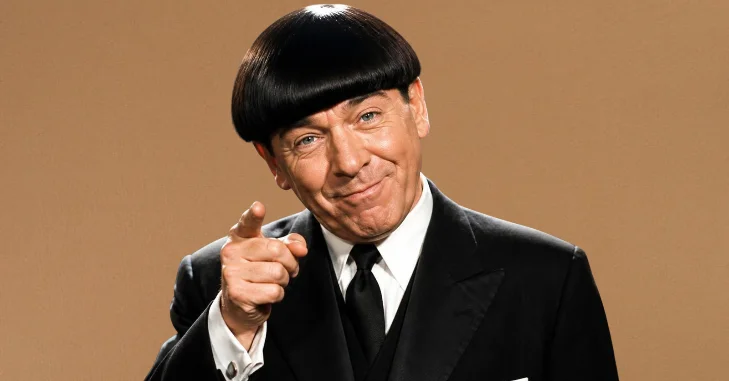
Moe Howard Horwitz grew up in Brooklyn as one of five sons born to Jennie and Solomon Horwitz. The official Three Stooges biography describes him as the fourth eldest of the five brothers. Shemp and Curly later shared the screen with him, connecting the family permanently with American comedy.
School never held the same attraction for him as entertainment. He graduated from P.S. 163 but spent only a short period at Erasmus High School. His family also encouraged practical training, yet his attention remained fixed on performing and the theater.
That interest led him toward Vitagraph Studios in Brooklyn around 1909. He initially ran errands for performers and found opportunities around the studio. Those early experiences put him close to professional filmmaking years before The Three Stooges existed.
How His Partnership With Ted Healy Began
Howard met entertainer Ted Healy while still young. Their professional relationship developed more fully during the 1920s, when vaudeville remained a major form of American entertainment. Shemp joined the developing act, helping create the foundations of the group audiences would later recognize.
Larry Fine eventually became another central member of the act. The performers worked under Healy in vaudeville and moved into movies as sound cinema expanded. Their early film work included the 1930 comedy Soup to Nuts.
The partnership with Healy was important, but it was not the final form of the act. The performers eventually separated from him and established their own screen identity. That change opened the period that made their comedy famous across generations.
Becoming the Leader of The Three Stooges
The classic Moe, Larry, and Curly lineup signed with Columbia Pictures in 1934. Howard assumed the aggressive leadership role that became central to their comedy. His character frequently tried to control the chaos, although he often created more chaos himself.
The trio’s physical comedy relied on timing and recognizable character roles. Moe was usually the impatient authority figure, while Larry often occupied the middle ground. Curly supplied an unpredictable energy that made their confrontations especially memorable.
Their Columbia run produced 190 comedy shorts between 1934 and 1959. Titles associated with the group include Woman Haters, Punch Drunks, and many later favorites. Their large catalog helped make the act especially suitable for television reruns.
Readers interested in other Hollywood careers can also explore MagClone’s Jamie Foxx movie career guide. The site’s broader Entertainment section includes more actor profiles and entertainment features.
Why Moe’s Comedy Character Worked
Moe’s screen personality was easy to understand within seconds. He barked instructions, lost patience, and reacted physically whenever Larry or Curly caused trouble. The exaggerated behavior created a dependable structure for the trio’s fast-moving routines.
His appearance strengthened that character. The straight bowl haircut became inseparable from his public image, while his facial expressions communicated irritation before he spoke. Audiences could quickly recognize who was trying to control each scene.
Yet his function involved more than delivering slaps and insults. He frequently moved scenes forward by giving the other characters a task or responding to their mistakes. That structure helped transform chaotic physical humor into repeatable comic routines.
The contrast between the three performers also mattered. Moe needed Larry, Curly, Shemp, and later partners to create the friction behind his character. The Stooges worked because their personalities collided rather than functioning independently.
Curly, Shemp, and the Changing Three Stooges Lineups
The group changed members several times during its long history. Curly became the third Stooge after Shemp left the earlier act. His energetic physical style helped create one of the group’s most remembered lineups.
Health problems later forced Curly away from regular performing. Shemp returned and again worked beside his brother and Larry. After Shemp’s death in 1955, Joe Besser joined the group for another period.
Joe DeRita, known professionally as Curly Joe, eventually became the third member beside Moe and Larry. That lineup continued into the group’s later years. Larry’s serious stroke in 1970 effectively brought the performing partnership toward its end.
Through these changes, Moe remained the central constant beside longtime partner Larry. His continuity helped audiences recognize the act despite changes in its third member. It also explains why his image became so closely tied to the Three Stooges name.
His Marriage, Wife, and Children
Away from the screen, Howard built a long family life with Helen Schonberger. They married on June 7, 1925. Helen was related to famous magician Harry Houdini, according to the official Three Stooges biography.
The couple had two children, Joan and Paul. Howard briefly stepped away from show business after his marriage as family responsibilities increased. The attempt at a more conventional working life did not last, and he returned to entertainment.
His family also became connected with preserving his story. Joan Howard Maurer completed her father’s autobiography after his death. The book appeared in 1977 and was later reissued under the title I Stooged to Conquer.
For another detailed Hollywood biography, MagClone’s Randy Quaid life and career profile follows a different American comedy and acting career. MagClone also publishes profiles covering performers from several generations.
Moe Howard’s Height and Famous Appearance
The official Three Stooges biography lists Howard at 5 feet 3 inches tall. His physical stature became part of the visual contrast within the comedy team. His forceful behavior often made the character seem larger than his actual height.
His haircut became an even stronger visual trademark. The blunt fringe and straight sides created a distinctive silhouette that audiences immediately associated with him. Combined with his scowl, it became one of classic American comedy’s familiar screen images.
His appearance also supported the simplicity of the Stooges’ character design. Viewers did not need lengthy introductions to understand the trio. Their faces, voices, movements, and hairstyles quickly established their different comic personalities.
Moe Howard’s Death and Final Years
Howard remained connected to the Stooges legacy after the group stopped regularly performing. During his later years, he worked on an autobiography about his life and entertainment career. He did not live to complete the final published version himself.
He died from lung cancer on May 4, 1975, in Los Angeles. He was 77 and died several weeks before what would have been his 78th birthday. He was laid to rest at Hillside Memorial Park Cemetery in Culver City, California.
Helen died later that same year. She was buried beside her husband, closing a marriage that had lasted about five decades. Their daughter later helped bring his unfinished autobiographical project to readers.
The Lasting Legacy of the Three Stooges Leader
The Stooges’ comedy survived far beyond its original theatrical audience. Their short films moved successfully into television, exposing later generations to routines produced decades earlier. That continued circulation helped turn their gestures and expressions into recognizable pieces of American popular culture.
Their Hollywood recognition became official after Howard’s death. The Three Stooges received a Hollywood Walk of Fame star on August 30, 1983. The motion-picture star is located at 1560 Vine Street.
Howard’s contribution was his ability to anchor a deliberately disorderly comedy team. His character created conflict, established rhythm, and gave his partners something to resist. Without that controlling figure, many classic Stooge routines would have worked quite differently.
His story also connects several stages of American entertainment history. He experienced early filmmaking, vaudeville, studio comedy shorts, feature films, television, and live performance. Few comic characters from his era remain as immediately recognizable.
For more biographies and entertainment history, readers can browse MagClone’s Entertainment coverage. Its celebrity profiles provide further background on actors, performers, and major entertainment careers.
Remembering an American Comedy Original
Howard spent much of his life developing a character built around impatience, control, and carefully timed physical comedy. That character became the stabilizing force inside the deliberate disorder of The Three Stooges. Generations later, the bowl haircut and stern expression still identify him instantly.
His career was also longer and more varied than a single comic persona suggests. It stretched from Brooklyn’s early film industry through vaudeville and Hollywood into the television era. His work with Larry, Curly, Shemp, and later Stooges left a lasting place in American comedy history.
Frequently Asked Questions
What was Moe Howard’s real name?
Moe Howard was born Moses Horwitz on June 19, 1897, in Brooklyn, New York. He later used Moe Howard professionally and legally changed his name. His original surname also explains the birth names of brothers Shemp and Curly.
How old was Moe when he died?
He was 77 years old when he died on May 4, 1975. His 78th birthday would have occurred on June 19 that year. His death came after a long entertainment career stretching back to his youth.
What caused his death?
Howard died of lung cancer in Los Angeles. He had been hospitalized before his death in May 1975. He was later entombed at Hillside Memorial Park Cemetery in Culver City.
Was Moe related to Curly and Shemp?
Yes, Curly and Shemp were his brothers. Both performed as members of The Three Stooges during different periods. Their family relationship became an important part of the group’s history.
Who was Moe Howard’s wife?
He married Helen Schonberger in 1925. Their marriage lasted until his death in 1975, and they had two children. Helen died later that year.
How tall was he?
The official Three Stooges biography lists his height as 5 feet 3 inches. Other entertainment databases sometimes give slightly different measurements. The official biography provides the clearest first-party figure.
How many Three Stooges shorts were made at Columbia?
The Three Stooges made 190 comedy shorts for Columbia Pictures. Their Columbia period began in 1934 and continued through the late 1950s. Television syndication later gave those shorts a much larger audience.
Did The Three Stooges receive a Hollywood Walk of Fame star?
Yes. The group received its motion-picture star on August 30, 1983. The Hollywood Walk of Fame lists its location as 1560 Vine Street.