
A Chihuahua Terrier mix can be lively, loyal, alert, and compact enough for many homes. Yet this label covers many possible crosses, so no single size or personality fits every dog. The terrier parent matters as much as the Chihuahua parent when predicting daily needs.
A Chihuahua Terrier mix is a small mixed dog with one Chihuahua parent and one terrier-type parent. Its adult size, coat, energy, and behavior depend heavily on the terrier involved. Most need consistent training, daily activity, careful handling, routine grooming, and preventive veterinary care.
| Key fact | What U.S. owners should know |
| Parentage | The terrier side may be Rat, Russell, Yorkshire, Fox, or another terrier type. |
| Size | Many common small-terrier crosses stay small, but there is no single mixed-breed standard. |
| Temperament | Alert, affectionate, energetic, vocal, curious, or independent traits are all possible. |
| Activity | Daily walks, play, sniffing, and short training sessions suit an active small dog. |
| Training | Positive reinforcement and early socialization help manage barking, chasing, and stubborn behavior. |
| Grooming | Coat care ranges from simple weekly brushing to more frequent brushing or specialized trimming. |
| Longevity | Many small-terrier crosses live into their teens, but genetics and health care shape lifespan. |
Key Takeaways Before You Bring One Home
- Find out which terrier is involved whenever possible because that parent can change size, coat, and behavior.
- Expect a smart small dog that may need more exercise and training than its compact body suggests.
- Use careful handling around children, and supervise meetings with cats, rodents, or larger dogs.
- Choose the individual dog, not the label alone, especially when adopting an adult from a shelter.
What This Means: Handle carefully
The word “terrier” describes a broad group rather than one breed. The American Kennel Club lists terriers ranging from compact earthdogs to much larger working terriers. That variety explains why mixed-dog guides often give different size and temperament ranges.
Common pairings involve small terriers, including Rat, Russell, Fox, and Yorkshire types. These dogs may combine Chihuahua companion traits with a terrier’s working instincts. Magclone’s guide to dog breeds and sizes offers context for such mixes.
Chihuahua Terrier Mix Size and Appearance
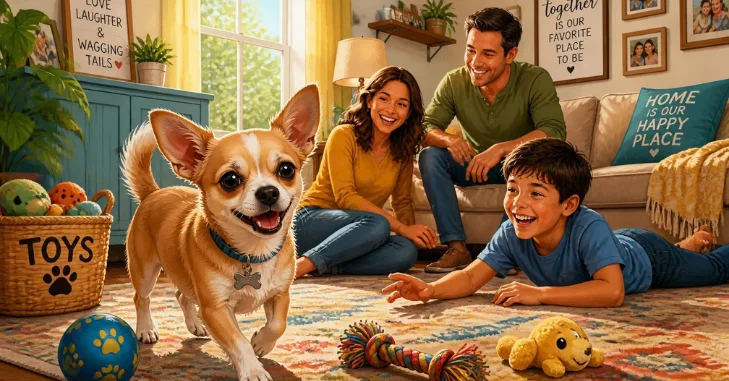
Chihuahua terrier mix Adult size depends strongly on the terrier parent and the individual dog’s genetics. Several current guides place common small-terrier crosses somewhere within the small-dog range. Treat any published weight range as a rough estimate, not a promise.
Coats can be smooth, wiry, long, short, or somewhere between those textures. Ears may stand upright, fold, or change position as a puppy matures. Colors also vary widely because both parent groups appear in many coat patterns.
Temperament: Small Dog, Busy Mind
Chihuahuas are described by the AKC as confident, alert, adaptable, and responsive to positive training. Terriers were developed for independent work, so persistence and quick reactions can appear in their The AKC describes Chihuahuasbe affectionate at home while still watching every sound near the door.
Barking, digging, chasing, or guarding favorite spaces can appear in some individuals. None of those behaviors should be treated as guaranteed breed traits. Early socialization and consistent house rules can help prevent these behaviors from becoming routines.
Exercise, Training, and Apartment Life
Small size does not automatically mean low energy. Many terrier-type dogs were bred for active jobs, and the AKC describes the group as energetic. Daily walks, sniffing games, indoor play, and short training sessions can provide useful outlets.
Apartment living can work when owners address exercise and noise from the beginning. Reward calm behavior, teach a quiet cue, and prevent repeated window barking from becoming a routine. A harness can also prevent direct neck pressure for dogs that develop coughing concerns.
Training should stay short, clear, and reward-based because small dogs can learn quickly without long drills. Practice recall indoors before relying on it around squirrels or other moving animals. Terriers keep training to pursue vermin, so leash management remains sensible outdoors.
Children, Other Pets, and Home Fit
A small mixed dog can live happily with respectful children, but supervision still matters. The AKC cautions that Chihuahuas are vulnerable to injury, so supervision still makes sense because of their tiny bodies. Teach children to let the dog approach instead of grabbing or carrying it.
Compatibility with other pets depends on social history, prey drive, and the terrier parent. Introductions should be slow, controlled, and easy to interrupt before either animal becomes overwhelmed. Homes with pet rodents should use secure separation because chasing instincts may be strong.
An adult rescue can be easier to evaluate than a young puppy when size is important. You can observe the dog’s current energy, coat, handling tolerance, and behavior around people. That real-world information may be more useful than guessing from a mixed-breed label.
Grooming and Everyday Care
Short smooth coats may need simple brushing, while wiry or longer coats often need more work. Check nails, ears, skin, and teeth during regular grooming so changes are noticed early. Magclone’s comparison of chunkers, blenders, and thinning shears explains how these common coat tools differ.
Dental care deserves special attention because smaller dogs have a higher risk of disease. Ask your veterinarian how often your individual dog needs professional dental assessment. Daily home brushing with pet-safe products can help reduce plaque accumulation.
Fa higherht, a of periodontal diseasege, activity, and body condition rather than a generic breed label. Human foods can add unnecessary calories or contain unsafe ingredients. Magclone’s dog food safety guide shows why checking ingredients matters before sharing snacks.
Health and Lifespan
Mixed ancestry does not prevent inherited disease, so parent-breed health history still matters. The Orthopedic Foundation for Animals publishes breed-specific screening guidance through its CHIC program. Ask breeders for documented results rather than relying on verbal claims about a puppy’s health.
Small dogs can face orthopedic, dental, eye, cardiac, or airway concerns depending on ancestry. VCA notes that tracheal collapse occurs more often in Chihuahuas and several other toy breeds. A persistent harsh cough, breathing difficulty, collapse, or exercise intolerance deserves veterinary attention.
Many published guides place small Chi-terrier crosses in roughly the low-to-mid teenage lifespan range. Individual longevity still depends on genetics, weight, dental care, preventive medicine, accidents, and chronic disease. Regular veterinary visits help owners adjust care as the dog moves into its senior years.
Choosing or Adopting One in the United States
Start with the individual dog’s history rather than shopping for a specific look. Ask about adult size estimates, handling, barking, house training, other pets, children, and known medical records. If parentage is unknown, treat the breed label as a description rather than a genetic guarantee.
For a breeder, request health testing appropriate to both parent breeds and verify available records. For a rescue, ask foster caregivers what they have observed in a home, not. Either route should give you enough time to consider fit without pressure.
Prepare your home before arrival with a secure sleeping area, identification, a harness, enrichment, and a veterinary appointment. Keep doors and gates controlled because small active dogs can slip through narrow openings. You can find more owner-focused reading in Magclone’s Pets section.
Is This Small Mixed Dog a Good Match for Your Home?
This cross suits owners who want an involved, trainable, energetic companion in a compact body. It may be a poor fit for households wanting a consistently quiet or hands-off pet. The safest decision comes from matching the individual dog’s behavior with your household routines.
Before committing, meet the dog more than once, if possible, and ask specific questions about daily behavior. Arrange a veterinary check soon after adoption, then build routines around training, activity, grooming, and rest. A thoughtful start gives both owner and dog a clearer path to long-term success.
Frequently Asked Questions
How big does a Chihuahua Terrier mix get?
There is no single adult size because “terrier” can refer to many different breeds. Mixes involving small terriers often remain small, but individuals can fall outside published ranges. The parents’ adult weights provide a more useful clue than a generic label.
Are these dogs good with children?
They can live well with calm children who understand gentle handling. Small dogs are easier to injure during rough play, so adult supervision remains important. Choose the individual dog based on temperament and prior experience with children.
Are they hypoallergenic?
Do not assume this cross will be allergy-friendly because coat and shedding patterns vary. A wiry coat may shed differently from a smooth coat, but allergies involve more than visible hair. Spend time with the individual dog before adoption if household allergies are a concern.
Do they need a lot of exercise?
Many need more activity than people expect from a small companion dog. Daily walks, play, sniffing, and brief training can help meet physical and mental needs. Adjust intensity for age, weather, health, and the specific terrier background.