Last Updated on July 28, 2026 by Rida Gul
Dental phobia does exist and is not uncommon. The fear of having a big procedure is usually more than the process itself. You believe you will be injured, uncomfortable, and out of control. Fears keep individuals from getting necessary treatment, and that makes dental problems even more severe. Preparation reduces or eliminates anxiety by replacing knowledge and action items that you can do.
Having an idea of what to expect, how to prepare your body and your mind, and how to heal gives you control. Whether you need dental implants boca raton surgery or any other major surgery, preparation makes it tolerable. You can go into dental procedures with confidence instead of fear.
Understanding What Major Dental Procedures Involve
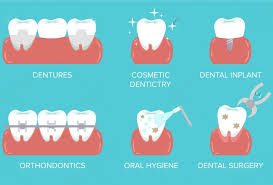
Major procedures include implants, extractions, root canals, bone grafts, and oral surgery. They require at least local anesthesia, sometimes sedation or general anesthesia. They are more time-consuming than routine cleanings or fillings. There is some pain as well as temporary changes in way-of-life following recovery.
Knowing the specifics of your procedure helps enormously. Ask your dentist to explain each step. What tools will they use? How long will it take? What will you feel during the procedure? Most patients fear the unknown more than the known. Detailed information transforms vague anxiety into manageable expectations.
Request to see photos or videos of the procedure if this is useful to you. Some people find visual information comforting. Others would rather have a description given verbally without graphic detail. Recognize yourself and ask for the type of information which helps to reduce your anxiety rather than contribute to it.
Choosing the Right Sedation Level
Local anesthesia prevents you from perceiving pain but will allow you to sense pressure and movement. Local anesthesia is suitable for those who are mildly apprehensive but don’t want to become unconscious. Most procedures can be done with local anesthesia alone, depending on your comfort.
Nitrous oxide, or laughing gas, relaxes you without sedating you. You’re still responsive and aware but just more relaxed and less concerned about what’s going on. The effects fade very rapidly when the gas is turned off. This is suitable for patients who want to relax but not become fully sedated. Wisdom teeth removal boca raton operations often use nitrous oxide as a means to relax the patient.
Oral sedation involves the use of medication before your appointment. You are awake but feel drowsy and relaxed. You will probably not remember much about the visit afterwards. Someone must drive you home. This is appropriate for severe to moderate anxiety.
IV sedation puts you further into relaxation. You’re in and out of consciousness and don’t recall anything or much thereafter. Your vital signs are monitored at all times. It’s best used for lengthy procedures or for patients with severe dental fear. Recovery is more extended and you must have someone to drive you home for several hours afterwards.
Preparation for the Procedure
Follow pre procedure instructions to the letter. Your dentist will inform you when you should not eat and drink before the appointment. These protocols prevent complications with anesthesia. Rebelliousness will require rescheduling your procedure, adding to your anxiety and postponing treatment you might actually need.
Have a good night’s rest before your visit. Lack of sleep increases anxiety and decreases your pain tolerance. Being well-rested helps you better deal with the experience both physically and emotionally. If anxiety keeps you from sleeping, talk to your dentist about taking a mild sedative the evening before.
Don’t drink alcohol for at least 24 hours prior to the procedure. Alcohol affects anesthesia and pain medication. It also dehydrates you, making recovery more difficult. Keep yourself well-hydrated with water in the days leading up to your appointment unless otherwise instructed.
Controlling Anxiety in the Days Leading Up
Practice relaxation daily. Deep breathing, progressive muscle relaxation, and meditation all lower baseline anxiety. Headspace or Calm apps have guided sessions for medical anxiety. Doing ten minutes of it daily makes a clear difference in how you manage the actual appointment.
Limit catastrophic thinking. Your mind wants to think worst-case situations. When those thoughts start, redirect them. Remind yourself that millions of individuals have these procedures safely done annually.” Your dentist is trained and experienced. Modern anesthesia and pain management do wonderfully. Replace fear thoughts with facts.
Talk to someone who had the same procedure done. Hearing from others firsthand what went through their heads when they rode it out that gave them peace of mind that there is nothing better is great. Internet forums and support groups expose you to individuals who understand dental anxiety and can share their experiences.
What to Bring and Prepare on Appointment Day
Arrange transport in advance of your appointment. You can’t drive yourself home if you are being sedated. Arranging it in advance cuts down on last-minute stress. Whoever is bringing you should plan on waiting or to take you home once your procedure is finished. Get them very clear on exactly when they should arrive.
Wear relaxed clothes. Clothes with loose fits and no tight waistbands allow you to relax in the dentist’s chair. Layers are good since dental clinics can be chilly. Avoid clothes with complex closures or anything that hinders movement. Comfort is important when you are sitting for a long time.
Bring music and headphones if your dentist can tolerate it. Some offices invite patients to listen to music or podcasts while they work. Listening to something pleasant helps distract you from the sounds of dentistry and makes the experience less stressful. Check in advance if this is acceptable and what the sound level should be.
Communicating with Your Dental Team
Let your dentist know that you are anxious. Don’t deny it or keep it a secret. Dentists work with nervous patients every day. They understand how to handle you and can adjust their style to your needs. Since you are aware you are nervous, they can tell you more, move more slowly, or check on you more.
Develop a stop signal. Select a hand signal that means you need to take a break. Knowing you can stop the procedure at any moment makes you the boss and less nervous. Raising your left hand is the majority of dentists’ suggestions if you need them to halt for whatever reasons. Sleep apnea doctor boca raton professionals and other dental professionals all respect stop signals and patient comfort.
Ask questions before you begin the procedure. It is more difficult to ask questions once you are in the chair with your mouth numb. Get all of your questions answered before this. Write down questions if anxiety causes you to forget questions you had. No question is too small or dumb if the answer makes you feel better.
During the Procedure
Notice your breathing. Deep and slow breathing into the nose relaxes your nervous system. If you find counting can help you keep track, count your breaths. Breathing exercises work even when you are anxious because they have the effect of actually changing your body’s stress response. Learn to do breathing exercises before your appointment so that they become automatic when you want them.
Use visualization techniques. Close your eyes and try to be in a peaceful setting. Visualize a beach, mountain, or other place where you feel comfortable and safe. Use all of your senses to visualize it. What do you see, hear, smell, and feel there? The more vivid the mental getaway, the better the distraction from dentophobia.
Remember that the pain is only temporary. What you are going through during the procedure will be gone. The seconds pass, the minutes pass. The procedure is completed. You will be out of the office, recovering. Remember that you are choosing short term pain to correct a larger problem and improve your health in the long run.
After the Procedure
Follow aftercare instructions precisely. Your dentist provides specific guidance on pain management, diet, and activity restrictions. Following these instructions prevents complications and speeds healing. Complications cause more anxiety and potentially more procedures. Do it right the first time.
Take medication for pain as instructed. Don’t permit pain to become serious before taking medicine. It is less difficult to stay in front of pain than it is to catch up. If you feel uneasy about being dependent on medication, speak to your dentist. For most procedures, treatment involves severe pain relief for only a short time. Tooth extraction boca raton and other such procedures cause predictable pain that good medication manages well.
Rest well when recovering. Your body needs to expend energy to recover. Overexerting yourself will impede recovery and make you more uncomfortable. Allow time for downtime after big procedures. Take the first day or two off at least. Let someone else handle responsibilities while you recover.
Building Confidence for Future Procedures
Celebrate your success. You tackled something difficult and came out on top. That victory paves the way for confidence in subsequent dental procedures. Every successful procedure you perform makes the next one less intimidating. Fear fades as good memories accumulate.
Debrief with your dentist after you’ve recovered. Let them know what made it easier and what made it harder. This helps them better support you in the future. It also reinforces that you’re an active participant in your care, not a passive patient.
Schedule routine checkups to prevent measures in emergencies. Routine care identifies problems early when treatment is simpler and less traumatic. Skipping the dentist because of fear usually develops bigger problems that require more complex procedures. Routine visits make dental care second nature and reduce overall anxiety.
Moving Forward with Less Fear
Advanced dental procedures are within your grasp once you prepare yourself. Education, communication, and coping skills transform paralyzing fear into normal nervousness. You are entitled to dental treatment that preserves your oral health without scaring you. Work with your dental team to create experiences that you can manage. Proper preparation is the distinction between dreading dental care and facing it confidently.