Key Takeaways
- Routine eye exams can spot early signs of eye disease and prevent vision loss.
- Nutrients such as vitamins A, C, E, and omega-3 fatty acids are crucial for maintaining eye health and function.
- UV protection, screen time management, and physical activity all help keep eyes healthy.
- Habits like not smoking and controlling chronic conditions can reduce the risk of vision-threatening problems.
Clear vision is vital for enjoying life to the fullest, from reading and driving to appreciating everyday beauty. Throughout life, your eyes change, but proactive habits can help preserve and even improve your eyesight. Whether you’re in your 20s or your golden years, adopting a few key practices can keep your vision at its best. If you’re looking for stylish eyeglass frames Harrisburg PA, it’s equally important to understand the essentials of good eye health behind the lenses you choose. Early intervention and regular care make a huge difference in maintaining clear sight.
Your eyes are complex organs that depend on preventive care, a balanced diet, and lifestyle choices to function optimally. Protecting against environmental risks and managing underlying health conditions also play an essential role. With eye diseases often developing gradually, knowing the right actions to take is crucial for maintaining long-term vision health.
Regular Eye Exams
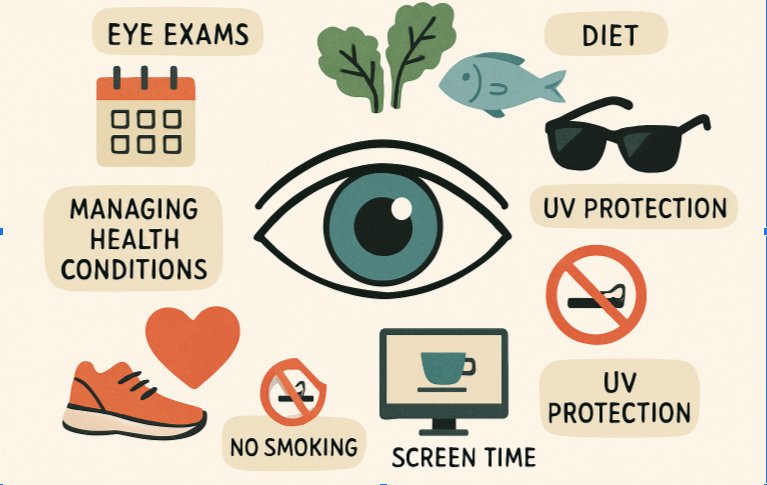
Routine eye exams are a cornerstone of lifelong vision care. These comprehensive check-ups can detect common eye diseases such as glaucoma, cataracts, and age-related macular degeneration before symptoms appear. According to the Centers for Disease Control and Prevention (CDC), early diagnosis through regular screenings is essential for effective treatment. Adults over 60 should have a dilated eye exam every one to two years; children and younger adults should follow their eye doctor’s recommendations, especially if there’s a family history of vision problems.
Nutrient-Rich Diet
What you eat has a direct impact on your eye health. A diet rich in essential nutrients can help protect against conditions such as cataracts and macular degeneration. Important nutrients include:
- Vitamin A: Necessary for good night vision, found in carrots, squash, and spinach.
- Vitamin C: An antioxidant that boosts eye defense, present in oranges, strawberries, and bell peppers.
- Vitamin E: Guards against cellular damage, available in nuts, seeds, and green vegetables.
- Omega-3 Fatty Acids: Essential for retina health, present in salmon, sardines, and flaxseed.
Adding these foods to your diet isn’t just good for your eyes—it’s good for your whole body. The American Academy of Ophthalmology provides additional guidance on foods that support healthy eyesight.
Protecting Eyes from UV Rays
Sunlight is beneficial for your mood, but excessive UV exposure can damage your eyes, increasing the risk of cataracts and other eye diseases. Always wear sunglasses labeled to block 99% to 100% of UVA and UVB rays when outdoors, even on cloudy days. Don a wide-brimmed hat for additional shade, and make sure children wear UV-protective eyewear as well. The Prevent Blindness Foundation outlines simple steps to minimize UV damage.
Managing Screen Time
With more people than ever working and playing on digital devices, digital eye strain has become a widespread problem. Symptoms include dryness, blurred vision, headaches, and neck pain. Practice the 20-20-20 rule: every 20 minutes, look at an object 20 feet away for at least 20 seconds. Adjust your screen’s brightness and position to minimize glare. If symptoms persist, consult an eye care professional to discuss further solutions.
Staying Physically Active
Physical exercise supports both heart and eye health. Increased blood circulation brings oxygen and nutrients to the eyes while removing toxins. Regular activity lowers your risk for diseases like diabetes and hypertension, common causes of vision loss. Engage in brisk walking, swimming, cycling, or yoga; Harvard Medical School highlights the connection between exercise and a reduced risk of eye disease.
Avoiding Smoking
Smoking contributes to a host of health problems, including loss of vision. Smokers are at a significantly higher risk of developing cataracts and macular degeneration. Quitting smoking at any age can quickly improve personal and eye health outcomes. Seek out support resources and help lines if you’re ready to make a change, since stopping tobacco use is one of the best decisions you can make for long-term sight.
Managing Chronic Conditions
High blood pressure and diabetes, if left uncontrolled, can damage the delicate blood vessels in your eyes, leading to vision changes or loss. Staying on top of these chronic conditions is vital; this includes taking medications as prescribed, monitoring blood pressure and sugar levels, and following up with your healthcare team. The Mayo Clinic offers more information on managing diabetes and protecting your eyesight.
Practicing Good Eye Hygiene
Good eye hygiene habits prevent irritation and infection. Wash your hands thoroughly before touching your eyes or handling contact lenses. Clean and store lenses according to your eye care specialist’s recommendations. Avoid rubbing your eyes, and use clean tissues if you must touch them. Ensure workspaces and reading areas are well-lit to avoid unnecessary strain. By following these simple practices daily, you can significantly reduce your risk of discomfort and eye infections.
Maintaining sharp vision doesn’t happen by accident—it’s the result of everyday choices that contribute to healthy eyes and quality living. Make regular appointments with your eye doctor, eat a balanced diet, stay active, and protect your eyes both inside and out to enjoy clear vision throughout your life.
Want to know about How Healthcare Marketing Agencies Help Grow Your Patient Base Check out our Health category.