
Searching for “common law in California” can lead to two different legal ideas. One refers to law created through court decisions and precedent. The other concerns common-law marriage, which California does not allow couples to create within the state. Direct answer: California uses common law as part of its legal system, alongside statutes and constitutional rules. Courts interpret legislation and develop legal principles through published decisions. California does not, however, let couples become legally married merely by living together for a certain number of years.
| Key question | California rule |
|---|---|
| Does California use common law? | Yes, judicial decisions and precedent remain important sources of law. |
| Does California recognize common-law marriage created in California? | No. |
| Does living together for seven years create a marriage? | No. |
| Can California recognize an out-of-state common-law marriage? | Yes, when it was validly established under that jurisdiction’s law. |
| Do unmarried partners automatically get community property rights? | Generally, no. |
| Can unmarried partners make enforceable agreements? | Potentially, depending on the agreement and applicable law. |
| Is a domestic partnership the same as informal cohabitation? | No. California provides a formal registration system for domestic partnerships. |
Key Takeaways
* California relies on both statutes and court-developed legal principles. * Court precedent can interpret statutes and establish rules for later cases. * California abolished the creation of common-law marriages more than a century ago. * There is no seven-year or ten-year rule that automatically marries cohabiting couples. * A qualifying common-law marriage created elsewhere can remain valid after a move to California. * Unmarried partners may need contracts, property documents, or estate planning to protect specific interests.
What Does Common Law Mean in California?
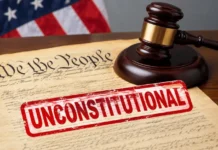
Common law generally means legal principles developed through judicial decisions rather than legislation alone. American courts inherited much of this tradition from English law. California courts continue using precedent when statutes do not completely resolve a legal issue. A published appellate decision can establish a legal rule for lower courts to follow. Courts also interpret constitutional provisions, statutes, regulations, contracts, and earlier cases. This process allows legal doctrine to develop as new disputes reach the courts. California still has extensive statutory law enacted by its Legislature. Statutes can codify, change, or replace principles that previously developed through court decisions. Understanding California law therefore requires looking at legislation and judicial precedent together. Readers interested in how courts can review government action can also see MagClone’s guide to unconstitutional laws. That topic shows how judicial decisions can define legal limits. It also illustrates why court precedent matters beyond individual lawsuits.
How Common Law and Statutory Law Work Together
A statute begins with legislation enacted through the state lawmaking process. Courts then apply that language to disputes involving real people and facts. Judicial opinions can clarify words that legislators left undefined or ambiguous. Later courts often rely on earlier decisions involving similar legal questions. This practice is closely connected with the doctrine of precedent. Higher appellate decisions generally carry more authority than lower court rulings within the same system. A statute can also override a court-developed rule when constitutional limits permit it. The Legislature may respond to judicial interpretations by changing statutory language. Courts then interpret and apply the revised law in later disputes. This interaction appears throughout employment, property, contract, tort, and family law. It also appears in procedural subjects involving judgments and appeals. MagClone’s explanation of what it means to vacate a judgment or court order provides one related example.
Common Law in California and Common-Law Marriage
The phrase common law in California is frequently searched by people asking about marriage. California does not permit couples to create a common-law marriage simply through cohabitation. The length of the relationship does not change that rule. California Family Code Section 300 establishes formal requirements for a marriage entered within the state. Consent alone does not normally create a valid California marriage. A valid marriage generally requires a license and solemnization under California law. That means two people can live together for five, ten, or thirty years without automatically becoming spouses. Combining finances does not create a marriage by itself. Calling each other husband, wife, or spouse also does not automatically change legal status. The California Supreme Court has likewise stated that California does not recognize common-law marriages created inside California. Federal Social Security guidance reaches the same conclusion when applying California marital law. The rule differs from several jurisdictions that still recognize qualifying informal marriages.
Is There a Seven-Year Common-Law Marriage Rule?
No California law automatically marries a couple after seven years of living together. There is no ten-year automatic marriage rule either. These ideas remain common misconceptions about long-term relationships. The number of years can still matter for other legal questions. A long relationship may produce complicated property, contract, support, or estate disputes. Length alone does not transform cohabitation into a legal marriage. This distinction becomes especially important when partners separate. Someone may assume marital property rules apply because the relationship lasted many years. California courts instead examine the actual legal relationship and any separate claims the parties can establish. MagClone’s discussion of protecting business interests during divorce explains why marital status can affect financial analysis. Divorce rules govern spouses rather than every unmarried couple. An unmarried partner may need a different legal theory.
Will California Recognize a Common-Law Marriage From Another State?
California can recognize a common-law marriage that was validly created somewhere else. California Family Code Section 308 generally recognizes an out-of-state marriage valid under the laws where it was contracted. That principle can include qualifying informal marriages. The couple must have satisfied the requirements of the jurisdiction where the alleged marriage arose. Merely visiting another state will not necessarily create a valid marriage. Each jurisdiction has its own elements and evidentiary rules. Texas provides a useful example because its law recognizes qualifying informal marriages. The California Supreme Court considered such an issue in People v. Badgett. The court recognized that California may honor a marriage validly created under another state’s law. Moving to California does not automatically destroy an already valid marital status. The couple can remain married after relocating. Ending that marriage may therefore require a formal divorce rather than simply separating.

What Rights Do Unmarried Couples Have in California?
Unmarried couples do not automatically receive every legal protection granted to spouses. Community property rules generally arise from marital status. Automatic spousal support rights also should not be assumed from cohabitation alone. That does not mean an unmarried partner can never have legal rights. Contract principles can sometimes affect promises between unmarried partners. Ownership documents, beneficiary designations, and financial agreements may also determine important interests. California’s well-known Marvin v. Marvin decision addressed contractual claims between unmarried partners. The decision did not create common-law marriage. Instead, it recognized that certain express or implied agreements between unmarried adults may potentially be enforceable. The specific facts remain critical in any dispute. Courts can examine agreements, financial contributions, property titles, communications, and conduct. A general article cannot determine whether a particular relationship creates an enforceable claim.
Marriage, Domestic Partnership, and Cohabitation Are Different
California marriage creates a legal status governed by the Family Code. A registered domestic partnership also creates formal rights and obligations under state law. Informal cohabitation alone remains a different relationship. Couples should not assume these categories produce identical consequences. Tax treatment, property rights, benefits, inheritance rules, and dissolution procedures can depend on legal status. Federal and state rules can also treat certain relationships differently. Formal planning can reduce uncertainty for unmarried partners. Couples may use cohabitation agreements, wills, trusts, beneficiary forms, or carefully documented property ownership. Professional advice can help when significant assets or dependents are involved.
Why Legal Status Matters When a Relationship Ends
Legal classification can determine which claims become available after separation or death. A spouse may have rights that an unmarried partner does not automatically receive. An unmarried partner may instead rely on contracts, title records, or another legal basis. Property disputes can become especially difficult when both people contributed money. The name appearing on a deed or account can become significant. Evidence about agreements and payments may also matter in a later lawsuit. Related disputes can involve allegations beyond family law. For example, false or abusive legal proceedings involve different standards entirely. MagClone’s guide to malicious prosecution and its required elements explains that separate civil-law concept. Anyone ending a long relationship should gather important financial and ownership records early. Relevant materials can include deeds, contracts, account statements, beneficiary forms, and written agreements. Individual circumstances can change which legal rules apply.
Common Misconceptions About California Common Law
Several myths continue circulating because people confuse informal relationships with legal marriage. The most persistent myth involves a fixed cohabitation period. No California rule automatically makes two people spouses after a specific number of years. Another misconception is that filing joint paperwork always proves a marriage. Documents may provide evidence about a relationship, but they cannot bypass California’s marriage requirements. Legal status depends on applicable marriage law rather than labels alone. People also sometimes assume California ignores every common-law marriage. That statement is too broad. California can recognize one properly established in a jurisdiction where such marriages are legally permitted.
Frequently Asked Questions
Does common law in California exist?
Yes, California courts apply legal principles developed through judicial decisions and precedent. Those rules operate alongside statutes, regulations, and constitutional law. The phrase should not be confused with common-law marriage.
Does California recognize common-law marriage?
California does not allow couples to create one by living together inside the state. A valid common-law marriage formed elsewhere can be recognized under California law. Whether one exists depends on the law where it allegedly arose.
How many years must you live together to be common-law married?
There is no required number because California does not create marriage through cohabitation. Seven years does not create a marriage. Ten years does not create one either.
Can an unmarried partner receive property after a breakup?
Possibly, but not automatically under marital community property rules. Ownership documents and enforceable agreements may affect the result. The available claims depend heavily on the facts.
Do unmarried couples need a divorce in California?
Ordinarily, unmarried cohabitants do not need a divorce merely to end their relationship. A couple with a valid out-of-state common-law marriage is different. They may need formal dissolution because California can recognize that marriage.
Is a registered domestic partnership a common-law marriage?
No, a registered domestic partnership is a formal legal status created under California law. It requires compliance with statutory requirements. Simply living together does not automatically create that status.
The Bottom Line
California uses common law through judicial precedent, but statutes remain central to the state’s legal system. Courts interpret those statutes and develop rules through published decisions. Understanding both sources gives a clearer picture of how California law operates. Common-law marriage follows a different rule. California does not create marriages from cohabitation, regardless of relationship length. It can still recognize a qualifying common-law marriage that was validly formed elsewhere. If your question involves property, inheritance, benefits, or separation, legal status can have major consequences. Review the documents governing your relationship before making assumptions. For advice about a specific situation, consult a California-licensed attorney. —